



🚨 1998 El Niño Flooding — Full Breakdown Report
San Mateo County & Peninsula (Winter 1997–1998)
Why This Matters to Homeowners in San Mateo County:
When every drainage system fills at once, flooding doesn’t stay local—it spreads across the entire county.
San Mateo Creek Flood (1955): System Overload Event
El Niño Flooding (1998): Countywide Drainage Failure
Pulgas Pipeline Risk: Critical System Vulnerability
Pacifica Sewer Failures (Recurring): Coastal System Breakdown
Drought System Stress (2014–2015): Pressure Instability
Atmospheric River Flooding (2023): System Overload
San Bruno Pipeline Explosion (2010): Underground Failure
Belmont Creek Flooding (Recurring): Drainage Bottlenecks
Hillside Drainage Failures (Recurring): Gravity Overload
Water Main Failures (Recurring): Aging System Breakdown
📍 Geographic + Structural Context (Pre-Event Environment)
This was a countywide drainage failure across San Mateo County, impacting both hillside runoff zones and low-lying Bayfront communities.
Primary regions and cities affected (for scale + search relevance):
- Peninsula corridor: San Mateo, Burlingame, Redwood City
- Bayfront + lowlands: Foster City, San Carlos
- Coastal zones: Pacifica, Half Moon Bay
- Southern boundary: Menlo Park, East Palo Alto
Critical preconditions:
- Interconnected drainage network: Creeks, culverts, storm drains, and Bay outflows all linked
- Urban development: High percentage of impermeable surfaces increasing runoff
- Low elevation areas: Bayfront zones prone to accumulation
- Hillside runoff: Steep terrain feeding water rapidly into lower systems
- System assumption: Individual systems could handle localized storms—not sustained regional overload
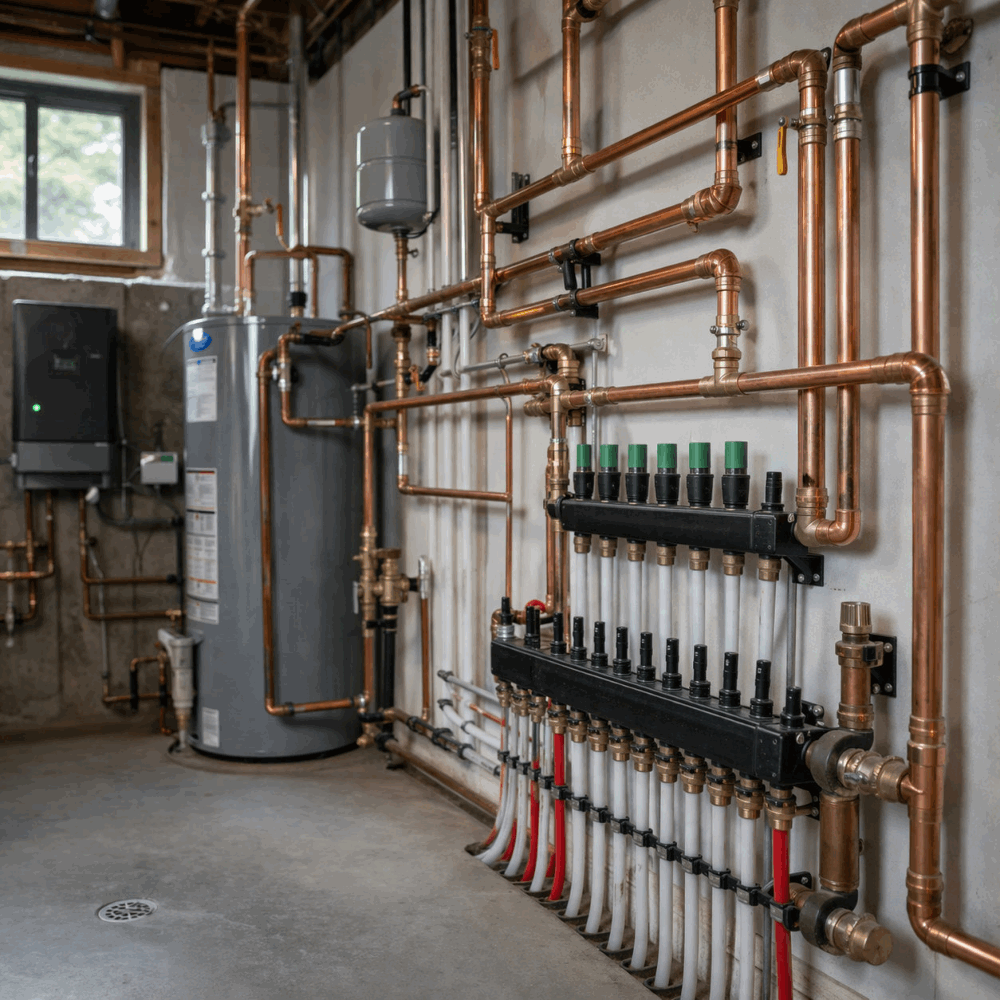
🌧️ Weather + Environmental Conditions
This event was driven by a major El Niño cycle—one of the strongest on record.
- Repeated atmospheric river storms
- Sustained heavy rainfall over weeks
- Minimal recovery time between storms
- Full watershed saturation across region
👉 Key dynamic:
All water systems were receiving input simultaneously—with no relief
⚙️ Failure Mechanics (What Actually Broke)
Step-by-Step Breakdown
- Full Saturation of Ground Systems (System Priming)
- Soil across hills and flats reached maximum saturation
- No additional absorption possible
- Continuous Runoff Generation
- Rainfall converted directly into runoff
- Hillside water flowed rapidly into creeks and drains
- Multi-System Loading
- Creeks, storm drains, and culverts all filled at the same time
- No system had spare capacity
- Bottleneck Formation Across Network
- Narrow channels and culverts restricted flow
- Backpressure built throughout system
- Capacity Exceeded (Network Failure)
- Multiple systems overtopped simultaneously
- Water escaped containment in multiple locations
- Floodplain Activation + Urban Spread
- Water expanded into:
- neighborhoods
- streets
- commercial areas
- Flooding occurred in multiple zones at once
💥 The Event (Winter 1997–1998)
- Timeline: Sustained buildup → repeated overflow events
- Initial warning signs:
- rising creek levels
- recurring street flooding
Collapse Dynamics
- Systems transitioned from:
- functional → stressed → overloaded → failing
👉 Failure wasn’t isolated—it was synchronized across the entire network
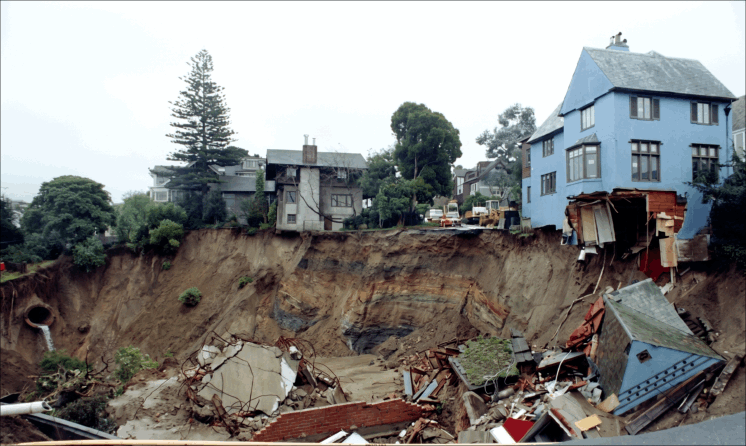
🏚️ Immediate Damage Profile
- Widespread flooding across San Mateo County
- Residential and commercial impacts
Damage characteristics:
- Interior flooding
- Roadway and infrastructure damage
- Repeated flooding in same areas
System impacts:
- Drainage systems rendered ineffective
- Emergency services stretched across multiple zones
🧠 System-Level Failure Analysis
1. Network Overload Failure
- Systems interconnected
👉 failure spread across entire region
2. Duration-Based Collapse
- Not just intensity
👉 sustained input caused breakdown
3. Simultaneous System Failure
- No single failure point
👉 everything filled at once
🔁 Direct Aftermath (Short-Term)
- Emergency evacuations in multiple areas
- Ongoing flood response over extended period
- Cleanup and restoration across county
🧱 Indirect Effects (Long-Term Changes)
🏗️ 1. Countywide Flood Control Improvements
- Expansion of:
- drainage systems
- flood mitigation infrastructure
🌊 2. Creek Channel Enhancements
- Widening and redesign of major waterways
📡 3. Regional Coordination
- Multi-city planning for shared water systems
🏘️ 4. Floodplain Risk Awareness
- Increased focus on:
- development in vulnerable areas

🧩 Hidden Insights (What Most People Miss)
⚠️ 1. “It Wasn’t One Failure—It Was All of Them”
Every system hit capacity at the same time
⚠️ 2. Duration Is More Dangerous Than Intensity
Short storms stress systems
👉 long storms break them
⚠️ 3. Connected Systems Fail Together
When one backs up
👉 everything backs up
🧠 Contractor / System Thinking Translation
Infrastructure System | Residential Equivalent |
Drainage network | Whole-home plumbing system |
Bottleneck | Partial blockage |
Overflow | Backup / flooding |
Multi-point failure | Whole-house issue |
👉 Same equation:
Too much sustained flow + connected systems = total system overload
🏠 What This Means for Your Home
- Drain systems fail when overloaded—not just when broken
- Multiple small issues can combine into one major failure
- Backups often happen across the whole system, not one fixture
- Flooding can repeat if root capacity issues aren’t fixed
🎯 Final Takeaways (Mechanical Framing)
- Root Cause: Sustained El Niño rainfall across entire region
- Trigger: Full saturation + continuous runoff
- Failure Type: Multi-system capacity overload
- Impact Multiplier: interconnected drainage + duration of storms