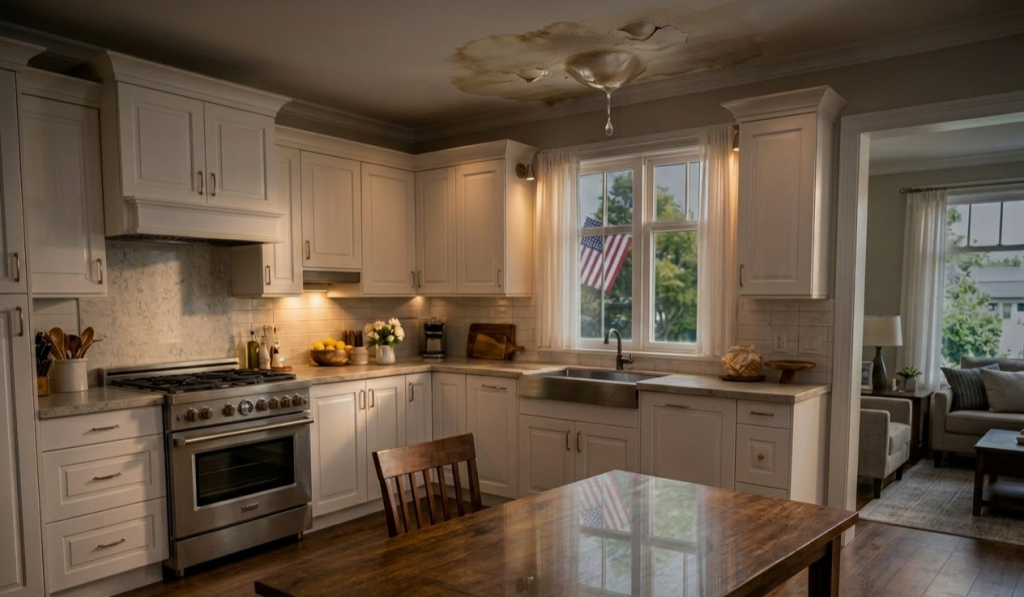
sinkholeSF21 — Failure Starts Below the Surface
Everything looked stable.
The structure was intact.
The ground held.
No visible warning.
But the system had already failed.
In 1995, the Sea Cliff collapse in San Francisco didn’t begin when the ground opened.
It began decades earlier—inside a buried system no one could see.
A sewer line reached the end of its lifecycle.
Pressure increased.
Water moved where it shouldn’t.
Soil followed.
The collapse was just the final expression.
SYSTEM VS SYMPTOM BREAKDOWN
Surface damage is not the problem.
It’s the signal.
What you see:
- Ground collapse
- Structural instability
- Sudden failure
What actually failed:
- Aging pipe integrity
- Joint separation under movement
- Internal corrosion and wall thinning
- Continuous water escape into surrounding soil
The system failed long before the structure did.
This is the gap most people miss.
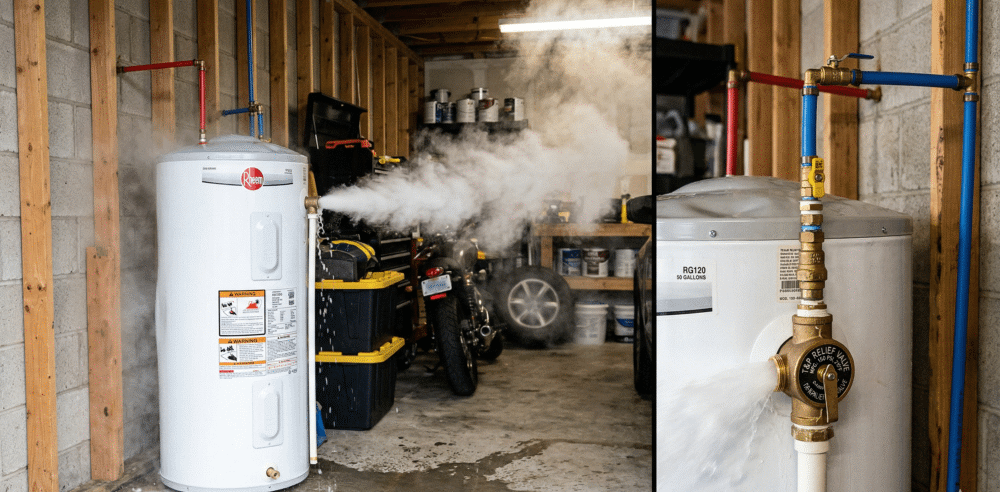
FAILURE ORIGIN (NOT VISIBLE DAMAGE)
Failures don’t start where you can see them.
They start where pressure, water, and time interact.
Underground systems operate under constant load:
- Pressure from soil weight and structures above
- Internal pressure from flow and usage
- Movement from moisture shifts and ground settling
In the Bay Area environment:
- Soil moves
- Moisture fluctuates
- Systems age beyond design life
That combination creates slow internal breakdown:
- Micro leaks
- Joint fatigue
- Soil displacement
- Void formation
No alarms. No alerts.
Just progression.
WHY REPAIRS DON’T SOLVE UNDERLYING CONDITIONS
Most repairs target the symptom.
They isolate a visible issue and fix that point.
But the system is continuous.
If one section fails:
- Adjacent sections are under the same stress
- Materials have aged uniformly
- Pressure conditions remain unchanged
So what happens next?
Another failure.
Then another.
Patch repairs create a false sense of stability:
- One leak fixed
- Pressure redistributes
- Weakest point shifts
You’re not removing risk.
You’re moving it.

SYSTEM ALIGNMENT VS PATCHWORK
A functioning system is aligned.
Materials match.
Pressure is controlled.
Flow is consistent.
Load is distributed evenly.
A patched system is fragmented:
- Mixed materials
- Uneven pressure zones
- Inconsistent performance
- Compounding stress points
That fragmentation accelerates failure.
Especially in environments like San Francisco Bay Area where:
- Ground movement is constant
- Moisture drives soil behavior
- Infrastructure is aging past its design window
You can’t stabilize a system by fixing pieces of it.
INFRASTRUCTURE → HOME (PATTERN TRANSLATION)
Large-scale failure follows the same pattern as residential failure.
Sinkhole → House
- Sewer collapse → Drain line failure
- Soil void → Slab void / foundation shift
- Water migration → Crawlspace saturation
- Structural loss → Floor instability / cracking
The scale changes.
The pattern doesn’t.

THE REAL DECISION POINT
Most homeowners act after visible damage.
That’s late.
By the time symptoms appear:
- The system has already degraded
- Multiple failure points exist
- Structural risk has increased
This is where costs spike.
Not because of one failure.
Because of accumulated, hidden ones.
STRUCTURAL PREVENTION, NOT REPAIR
This is not about fixing leaks.
It’s about removing failure conditions.
A full repipe:
- Eliminates aged materials across the system
- Resets pressure consistency
- Removes hidden weak points
- Aligns the system with current demand and environment
It’s not a repair strategy.
It’s a system correction.
That’s the difference between:
- reacting to failure
- and preventing it entirely