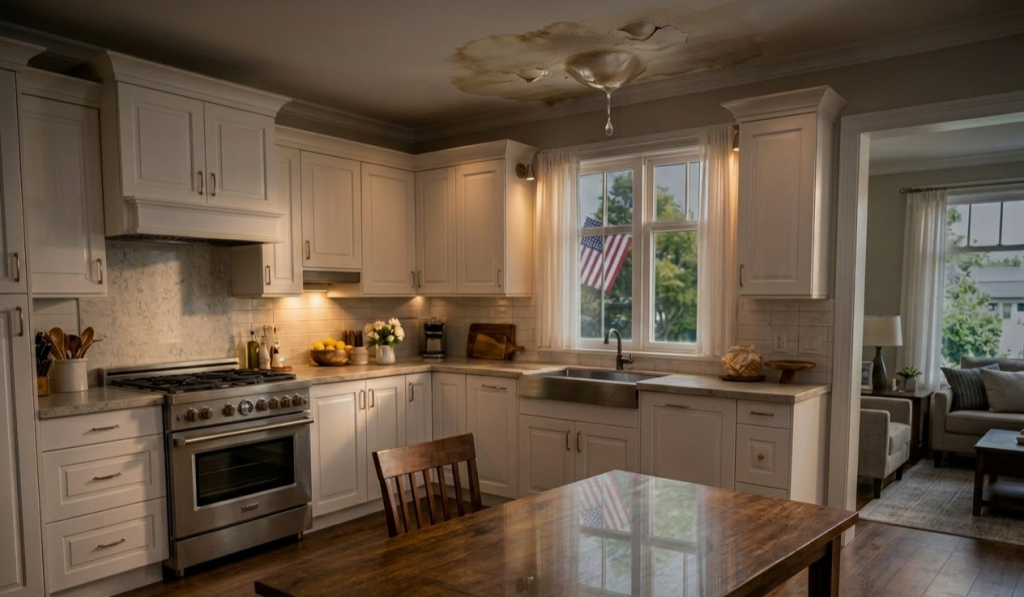
Savannah Coastal Humidity and Underground Plumbing Damage
This helps homeowners in Savannah understand how coastal humidity, groundwater conditions, and aging infrastructure create hidden plumbing damage—and how to recognize early system instability before it turns into structural repair.
Most plumbing failures in coastal environments do not begin with a visible leak.
They begin with environmental exposure.
Moisture builds first.
Corrosion develops next.
Structural impact appears last.
Savannah operates inside a coastal pressure zone where air moisture, salt exposure, groundwater levels, and soil conditions continuously affect plumbing systems above and below ground.
Humidity remains elevated for most of the year.
Salt travels through air and soil.
Groundwater stays closer to the surface.
Older infrastructure remains active beneath historic properties.
Each condition contributes to long-term system degradation.
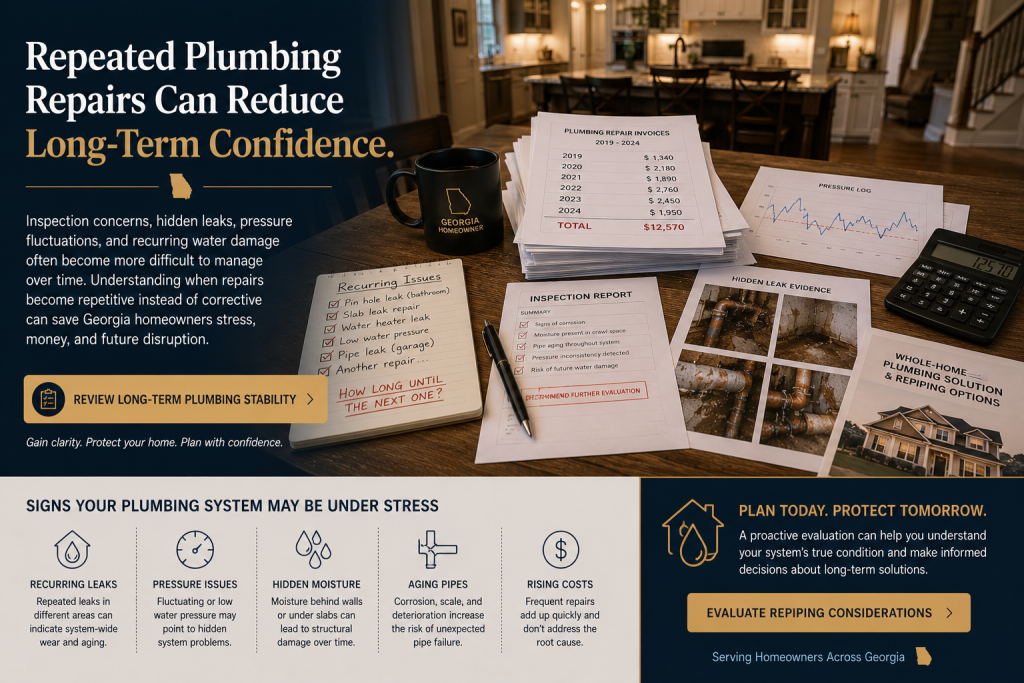
Coastal Humidity Sustains Continuous Moisture Exposure
Savannah’s climate maintains a persistent moisture environment.
Air carries high humidity levels into structures.
Crawlspaces retain damp conditions for extended periods.
Wall cavities trap moisture with limited airflow.
Condensation forms on plumbing surfaces during temperature shifts.
This creates continuous exposure.
Pipes rarely return to a fully dry state.
Metal components degrade faster.
Pipe supports corrode.
Valve assemblies weaken internally.
Slow deterioration accelerates under constant moisture conditions.
Salt Air and Soil Increase Corrosion Rates
Coastal environments introduce salt into both air and soil.
Salt particles settle onto exposed surfaces.
Moisture activates chemical reactions.
Corrosion accelerates on metal plumbing components.
Underground systems experience additional exposure.
Soil near coastal regions often contains higher salinity levels.
Buried pipes interact with that environment continuously.
Over time, this leads to:
- External pipe corrosion
- Surface pitting
- Material thinning
- Connection point degradation
Corrosion develops from the outside as well as the inside.
That dual exposure shortens system lifespan.
High Groundwater Levels Add Subsurface Pressure
Savannah’s proximity to the coast affects groundwater behavior.
Water tables remain elevated compared to inland regions.
Soil stays saturated for longer periods.
Buried plumbing systems operate under constant external moisture pressure.
That environment reduces soil stability.
Support around underground pipes weakens.
Sewer systems become more vulnerable to infiltration.
Supply lines experience long-term exposure from below.
Common outcomes include:
- Subsurface leakage
- Pipe misalignment
- Sewer infiltration
- Soil displacement
- Foundation moisture migration
The system experiences stress without visible indicators at the surface.

Historic Infrastructure Introduces Legacy Risk
Savannah contains a large inventory of historic homes.
Many properties still rely on older plumbing systems.
Original materials may include:
- Cast iron sewer lines
- Galvanized supply piping
- Early copper installations
These systems were not designed for current demand conditions or prolonged coastal exposure.
Material deterioration accelerates over time.
Corrosion develops internally and externally.
Weak sections form throughout the system.
Failure rarely occurs in a single location.
One area weakens first.
Other areas follow as stress redistributes.
Saturated Soil Conditions Affect System Stability
Coastal regions experience frequent soil saturation.
Rainfall, groundwater, and drainage conditions combine to maintain moisture.
Soil structure becomes less stable.
Buried pipes lose consistent support.
Movement increases gradually over time.
That movement contributes to:
- Joint separation
- Pipe shifting
- Drainage misalignment
- Underground void development
Instability develops slowly.
Damage becomes visible later.
Root Intrusion Expands Underground Damage
Savannah’s vegetation thrives in moisture-rich environments.
Root systems seek water sources.
Small pipe separations provide entry points.
Intrusion expands gradually.
Over time, roots create:
- Flow restriction
- Pipe cracking
- Sewer backups
- Yard saturation
- Structural moisture migration
Older sewer systems are especially vulnerable.
Material degradation increases access points.
Moisture conditions accelerate growth.
Humidity Extends Damage Into the Structure
Coastal moisture does not remain outside the plumbing system.
It spreads into the structure when leaks develop.
Even minor leakage can expand under humid conditions.
Evaporation slows.
Moisture lingers inside building materials.
Secondary damage increases.
Common structural impacts include:
- Insulation saturation
- Framing deterioration
- Flooring damage
- Mold development
The environment amplifies the effects of even small plumbing failures.

Storm Cycles Intensify System Stress
Coastal regions experience periodic storm activity.
Heavy rainfall increases soil saturation.
Drainage systems become overloaded.
Groundwater levels rise temporarily.
External pressure on underground plumbing increases.
These cycles repeat over time.
Each event adds incremental stress.
Many failures surface after storm periods.
The underlying deterioration typically exists beforehand.
Mixed Material Systems Increase Corrosion Points
Renovations and repairs often introduce multiple pipe materials into one system.
Older metal piping may connect to newer materials.
Transition points create reaction zones.
Electrochemical processes accelerate at these locations.
Corrosion concentrates at connections.
Those areas often fail first.
Savannah Homes Experience Continuous Environmental Pressure
Plumbing systems in Savannah operate under constant exposure.
Humidity sustains internal moisture.
Salt accelerates corrosion.
Groundwater increases subsurface pressure.
Soil saturation reduces system stability.
Roots expand underground intrusion.
Aging infrastructure weakens over time.
Storm cycles add repeated stress.
Each factor compounds the others.
Failures are rarely isolated.
They are cumulative responses to long-term environmental conditions.
Understanding these patterns allows homeowners to recognize early warning signs, evaluate system-wide risk, and take action before hidden plumbing damage expands into structural repair.