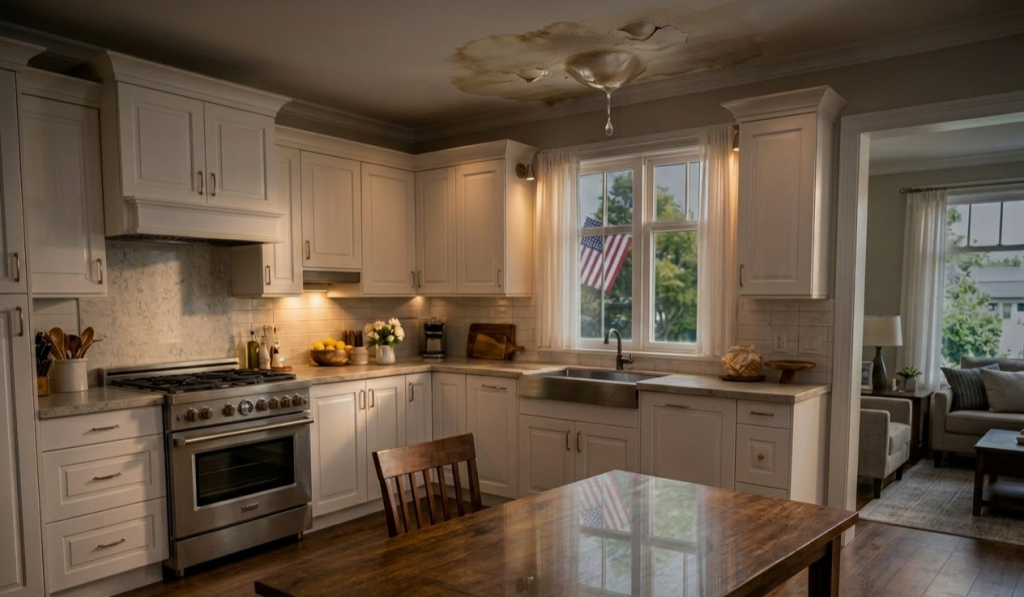
Fairbanks Plumbing Systems Under Extreme Arctic Stress
How This Helps Fairbanks Homeowners
Most plumbing failures in Fairbanks do not start with a visible break.
They start with sustained stress.
Extreme cold holding systems at their limits.
Ground conditions shifting underneath structures.
Heat loss interacting with long pipe runs.
By the time water appears, the system has often been under pressure for extended periods.
Understanding Fairbanks’ Arctic environment helps homeowners:
- recognize early-stage system stress before failure occurs
- understand why pipes fail even in well-built homes
- identify high-risk areas affected by extreme cold and ground conditions
- prevent repeat failures after repairs
- see how system design, insulation, and routing influence survival
- make better long-term decisions instead of reacting to emergencies
The goal is not just to fix frozen pipes.
The goal is to understand why systems fail under extreme Arctic stress.
Because in Fairbanks, plumbing systems operate at their limits for much of the year.
Modeled from the national framework at Plumbing Whole Home Repipe Home Failure Intelligence.
Fairbanks Is An Extreme Arctic Plumbing Environment
Fairbanks represents one of the most demanding residential plumbing environments in North America.
Cold is not a seasonal inconvenience.
It is a dominant system force.
This environment includes:
- sustained extreme sub-freezing temperatures
- long winter duration
- deep frost penetration into soil
- permafrost interaction in surrounding regions
- large temperature swings during transition periods
- extended darkness reducing passive heat gain
These conditions place continuous stress on plumbing systems.
Even when systems appear stable.
Sustained Cold Holds Systems At Failure Threshold
In many regions, freezing is temporary.
In Fairbanks, cold persists.
Pipes remain exposed to low temperatures for extended durations.
This creates a different type of stress:
- prolonged exposure rather than short-term events
- continuous heat loss from piping systems
- extended pressure conditions inside freezing sections
- reduced recovery time between stress cycles
The system is not just freezing.
It is staying frozen longer.
That increases the likelihood of:
- internal cracking
- material fatigue
- eventual rupture during thaw
Extreme Freeze Pressure Builds Internally
Water expansion during freezing creates pressure inside the pipe.
In extreme Arctic conditions, this process intensifies.
Because:
- freezing penetrates deeper into the system
- larger sections of pipe can freeze simultaneously
- pressure builds across longer pipe runs
- multiple stress points develop at once
Failure may occur at:
- fittings
- valves
- elbows
- transitions
- previous repair locations
But the entire system may be under stress at the same time.
Long Pipe Runs Increase Vulnerability
Fairbanks homes often include extended plumbing runs due to:
- building layouts
- utility routing requirements
- structural separation
- above-ground system design in some cases
Longer runs increase:
- exposure to cold
- friction and pressure variation
- potential freeze zones
- number of joints and fittings
Each additional foot of pipe introduces more opportunity for heat loss.
And more locations where freezing can begin.
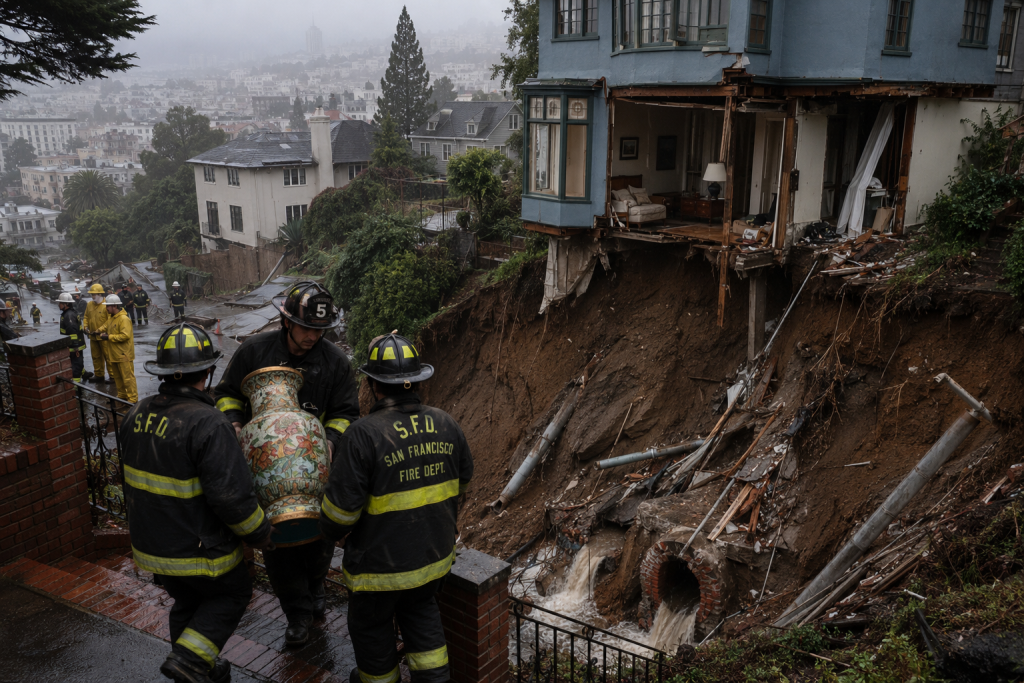
Ground Conditions Add Structural Stress
Fairbanks soil conditions introduce additional pressure through:
- deep frost layers
- seasonal thaw zones
- shifting ground conditions
- permafrost-related instability in surrounding areas
As ground conditions change, stress transfers into:
- buried water lines
- sewer systems
- foundation penetrations
- slab-adjacent piping
This can lead to:
- pipe misalignment
- joint separation
- stress fractures
- long-term instability
The system must respond to both temperature and ground movement simultaneously.
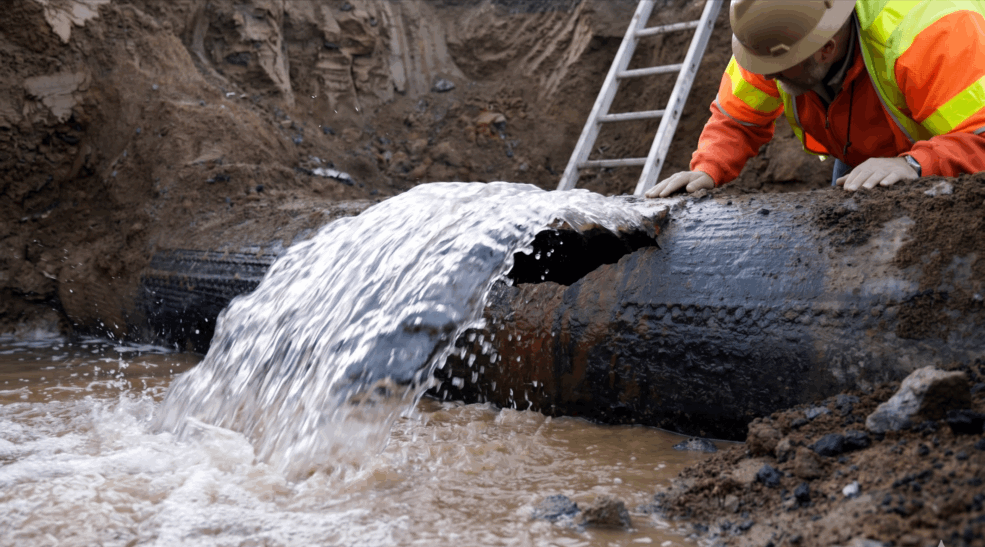
Above-Ground And Utility Corridor Exposure
Some Fairbanks plumbing systems rely on:
- above-ground routing
- enclosed utility corridors
- crawlspace systems
These environments are sensitive to:
- insulation quality
- heat distribution
- air leakage
- system maintenance
If protection systems fail:
- freezing can occur rapidly
- large sections of pipe can be affected
- system-wide pressure builds quickly
This creates a high dependency on:
- insulation performance
- heat tracing systems
- continuous monitoring
Insulation And Heat Systems Are Critical
In extreme Arctic environments, insulation is not optional.
It is a primary defense system.
Key components include:
- pipe insulation
- heat trace systems
- enclosure of exposed piping
- conditioned crawlspaces
- air sealing
Weakness in any of these areas increases risk.
Especially during extended cold periods.
Even minor insulation gaps can lead to:
- localized freezing
- expansion pressure
- hidden internal damage
Why Failures Often Occur During Thaw
Many Fairbanks homeowners discover plumbing failures when temperatures rise.
This is because:
- freezing created internal damage
- pressure weakened the pipe
- thaw restores water flow
- water escapes through compromised sections
The failure appears during warming.
But the damage occurred during sustained cold exposure.
Repeated Stress Leads To System Fatigue
Fairbanks systems experience:
- sustained cold exposure
- periodic freeze–thaw transitions
- long-duration pressure conditions
Over time, this creates:
- material fatigue
- joint weakening
- seal degradation
- reduced system tolerance
The system becomes less capable of handling future stress.
Which increases failure probability over time.

Human-System Failure In Arctic Conditions
Environmental pressure is extreme.
But human decisions still influence outcomes.
Common risk factors include:
- insufficient insulation maintenance
- neglected heat trace systems
- shutting down heat in parts of the home
- delayed repairs after freeze events
- improper modifications
- lack of monitoring during extreme cold
In Fairbanks, small oversights can lead to major failures.
Because the system operates near its limits.
Final Positioning Statement
Fairbanks plumbing systems fail under extreme Arctic stress where sustained cold, ground conditions, and system design overlap.
That stress develops through:
- prolonged freezing exposure
- internal expansion pressure
- long pipe runs
- ground movement
- insulation and heat system dependency
- delayed detection
The visible pipe burst is only the final stage.
The real system stress builds long before failure occurs.
Understanding Fairbanks’ extreme environment helps homeowners anticipate risk, reduce emergency failures, and make better long-term decisions about protecting their home’s plumbing system.