



🚨 Niles Cone Saltwater Intrusion Crisis — Full Breakdown Report
Fremont, Newark & Southern Alameda County (1910–1920)
Why This Matters to Homeowners in Alameda County:
Water systems can fail without leaks or floods—pressure imbalance alone can contaminate your entire supply.
📍 Geographic + Structural Context (Pre-Event Environment)
This was a subsurface water system failure centered in the Niles Cone Groundwater Basin, impacting communities in southern Alameda County.
Primary regions and cities affected (for scale + search relevance):
Core impact zone: Fremont (Niles / Mission San Jose), Newark
Nearby communities: Union City, Hayward
Bay interface: San Francisco Bay shoreline
Regional relevance: San Jose, Oakland
Critical preconditions:
Water source: Fresh groundwater stored in a coastal aquifer system
Demand increase: Rapid population and agricultural growth
Extraction pattern: Heavy groundwater pumping with minimal regulation
Natural balance: Freshwater pressure normally pushes back against saltwater intrusion
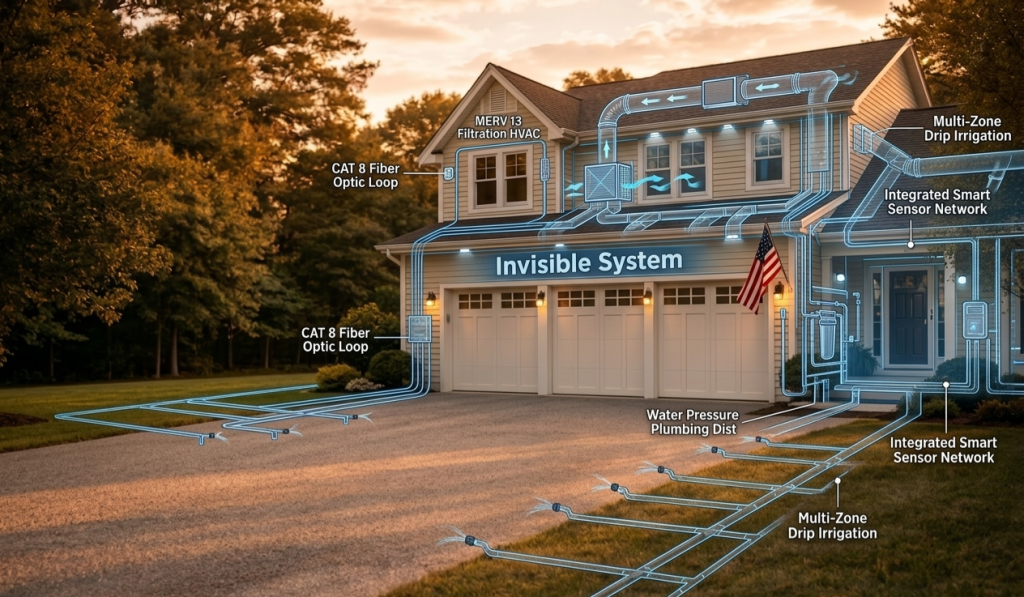
System invisibility: Entire system operates underground—no visible warning signs

🌊 Environmental + System Conditions
This was a pressure imbalance failure, not a flood or storm event.
No weather trigger
No visible surface event
Entire failure driven by human-induced system imbalance
👉 Key dynamic:
Removing too much freshwater allowed saltwater to move in
⚙️ Failure Mechanics (What Actually Broke)
Step-by-Step Breakdown
1. Over-Pumping of Groundwater (System Depletion)
Wells extracted water faster than natural recharge
Water table dropped significantly
2. Loss of Hydraulic Pressure Barrier
Freshwater normally creates outward pressure toward the Bay
Reduced pressure weakened this barrier
3. Pressure Reversal (Critical Shift)
Saltwater from San Francisco Bay began moving inland
Subsurface flow direction reversed
4. Saltwater Intrusion Into Aquifer
Saltwater migrated into freshwater zones
Contamination spread underground
5. Well Contamination (Failure Expression)
Wells began producing:
brackish water
unusable water for drinking or irrigation
6. System-Wide Supply Failure
Entire groundwater basin compromised
Water supply reliability collapsed

💥 The Event (1910–1920)
Timeline: Gradual degradation over years
Initial warning signs:
declining well output
changes in water taste and quality
Collapse Dynamics
Slow, invisible progression
No single failure moment
👉 Damage accumulated silently until system usability was lost
🏚️ Immediate Damage Profile
Widespread well contamination across Fremont and Newark areas
Loss of reliable freshwater supply
Damage characteristics:
Drinking water compromised
Agricultural productivity reduced
Infrastructure rendered ineffective
🧠 System-Level Failure Analysis
1. Pressure Balance System Failure
Aquifer depends on:
pressure equilibrium
Remove pressure:
system reverses
2. Invisible Failure Mechanism
No surface indicators early on
👉 Damage occurs underground first
3. Delayed Consequence System
Actions taken over years
Result:
long-term system collapse
🔁 Direct Aftermath (Short-Term)
Loss of usable groundwater supply
Need for alternative water sources
Emergency response at regional planning level
🧱 Indirect Effects (Long-Term Changes)
🏗️ 1. Creation of Alameda County Water District
Centralized management of groundwater resources
🌊 2. Aquifer Recharge Systems
Development of:
recharge basins
controlled water injection systems
🧪 3. Groundwater Monitoring
Tracking:
water levels
salinity intrusion
🏘️ 4. Sustainable Water Management Practices
Regulation of pumping rates
Long-term planning for water supply stability
🧩 Hidden Insights (What Most People Miss)
⚠️ 1. “The System Didn’t Break—It Reversed”
Water didn’t disappear.
It was replaced
⚠️ 2. Underground Systems Are Dynamic
Aquifers aren’t static storage.
They respond to pressure changes
⚠️ 3. Damage Happens Before You Notice It
By the time water tastes different:
system is already compromised
🧠 Contractor / System Thinking Translation
This maps directly to residential failures:
Infrastructure System | Residential Equivalent |
Aquifer pressure | Water pressure system |
Over-pumping | Excess demand / stress |
Intrusion | Contamination / backflow |
System reversal | Flow reversal / cross-connection |
👉 Same equation:
Pressure loss + imbalance = system contamination
🎯 Final Takeaways (Mechanical Framing)
Root Cause: Over-extraction of groundwater reducing system pressure
Trigger: Loss of freshwater barrier against saltwater intrusion
Failure Type: Subsurface contamination of aquifer
Impact Multiplier: Time + invisibility + lack of regulation
Lesson:
Pull too much from a system, and something else rushes in