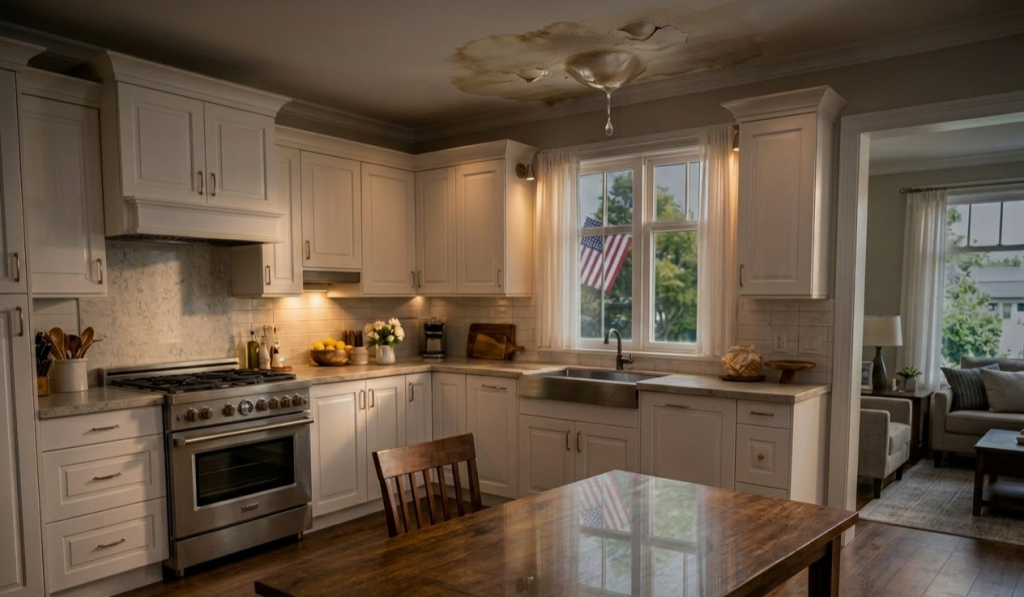
Bridgeport–Stamford Plumbing Systems Under Legacy Infrastructure Stress
This helps Bridgeport–Stamford homeowners recognize how aging infrastructure, freeze pressure, coastal moisture, urban density, and long-term system fatigue create hidden plumbing risks underneath homes long before visible failure appears.
Most plumbing failures across southwestern Connecticut do not begin with sudden pipe bursts.
They begin with aging systems operating under continuous infrastructure stress for decades.
The Bridgeport–Stamford corridor contains some of the oldest residential and municipal infrastructure in Connecticut.
Many water systems throughout the region are already operating beyond their original design life. (CT Insider)
Water mains in parts of Connecticut date back to the late 1800s. (CT Insider)
That age matters because infrastructure deterioration changes how pressure moves through the entire system.
Homes connected to older municipal environments experience:
- Pressure instability
- Mineral disturbance
- Corrosion acceleration
- Freeze-related pipe stress
- Sewer overload risk
- Underground deterioration
- Repeated repair cycling
The visible leak inside the home is often only the final stage of a much larger infrastructure problem.
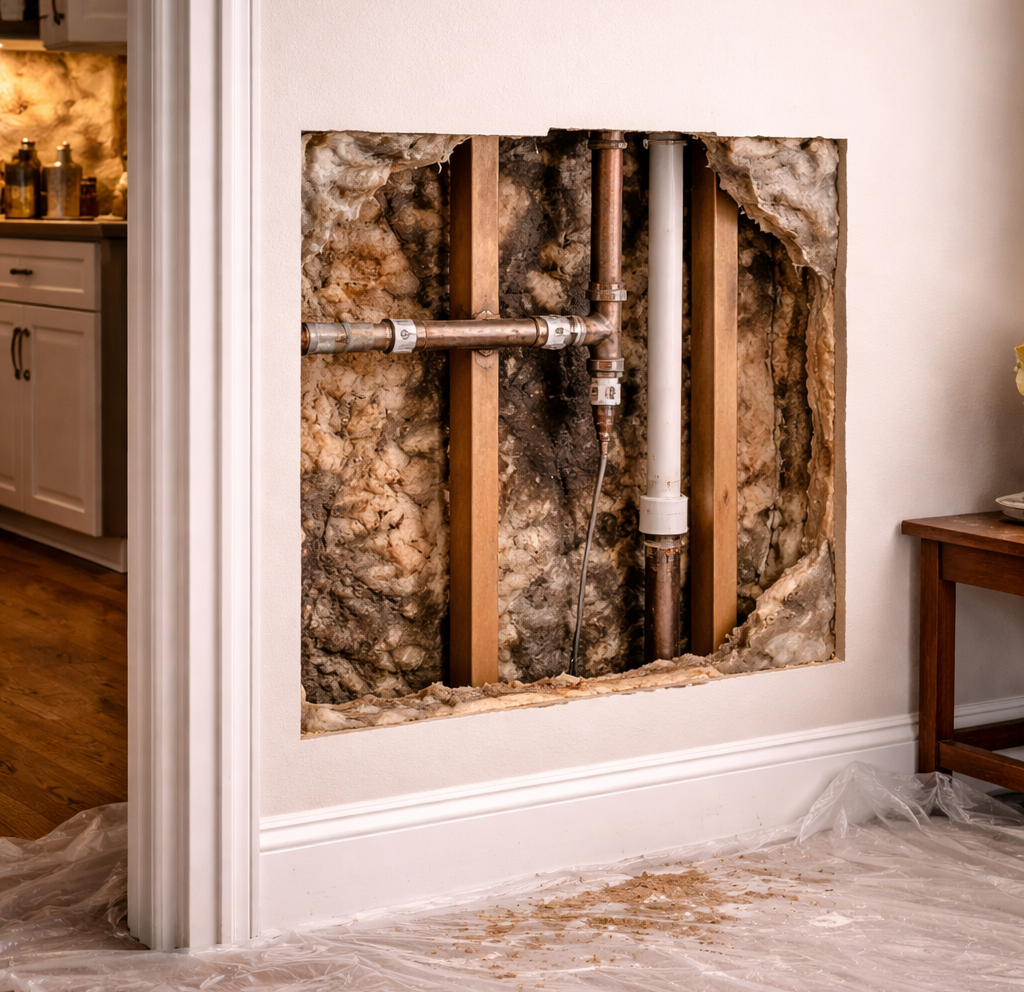
Why the Bridgeport–Stamford Corridor Creates Higher Plumbing Risk
The southwestern Connecticut corridor combines multiple failure pressures into one concentrated environment:
- Dense urban infrastructure
- Older housing stock
- Freeze-thaw expansion
- Coastal humidity exposure
- Long-term municipal wear
- Mixed plumbing generations
- Heavy stormwater pressure
- High basement usage
- Aging sewer systems
- High renovation activity
That combination creates long-duration stress inside residential plumbing systems.
Many homes in Bridgeport, Stamford, Norwalk, Fairfield, Stratford, and surrounding communities have experienced decades of layered repairs, additions, renovations, and partial plumbing upgrades.
The result is often a structurally inconsistent system.
Different materials.
Different installation eras.
Different workmanship standards.
Different pressure conditions.
Over time, those inconsistencies compound.
The 5 Primary Infrastructure Stress Forces
1. Municipal Water Main Fatigue
Large portions of Connecticut’s infrastructure are now operating well past midlife. (CT Insider)
Bridgeport continues coordinating with utility providers to identify and replace aging lines throughout the city. (CT Insider)
Older water infrastructure creates several hidden residential risks:
- Pressure fluctuation
- Sediment movement
- Brown water events
- Pipe vibration
- Sudden pressure drops
- Surge stress on aging residential plumbing
Water main failures across Bridgeport have recently disrupted service, reduced pressure, and caused widespread discoloration events affecting homes, schools, and medical facilities. (Connecticut Post)
When municipal systems destabilize, older residential plumbing systems absorb the stress.
2. Freeze Expansion and Soil Movement
Connecticut winters continuously pressure underground infrastructure.
Freeze-thaw cycles shift soil and place additional stress on older mains and residential service lines.
Infrastructure officials across Connecticut specifically identify freezing soil movement as a major contributor to pipe shearing and winter water main failures. (CT Insider)
That same expansion pressure affects homes.
Especially older homes with:
- Copper fatigue
- Galvanized deterioration
- Aging joints
- Basement plumbing exposure
- Exterior wall routing
- Crawlspace vulnerability
Repeated expansion and contraction gradually weakens the system from the inside.
3. Coastal Moisture and Corrosion Exposure
The Bridgeport–Stamford corridor operates near Long Island Sound.
Coastal air introduces long-term humidity and salt exposure into residential environments.
That matters because corrosion rarely appears suddenly.
It develops slowly inside:
- Copper systems
- Water heater components
- Shutoff valves
- Mechanical rooms
- Basement infrastructure
- Exterior plumbing penetrations
Shoreline and near-shore homes often experience accelerated deterioration compared to inland systems.
The failure process remains hidden until restriction, leakage, or pressure instability finally appears.
4. Combined Sewer and Stormwater Stress
Older northeastern cities were not originally designed for modern runoff volume, population density, and environmental load.
Heavy rain events increasingly stress aging sewer and drainage infrastructure throughout Connecticut. (CT Insider)
When stormwater systems overload, homeowners may experience:
- Drain backups
- Sewer odors
- Basement seepage
- Slow drainage
- Foundation moisture
- Saturated underground conditions
Water movement underneath the structure becomes one of the largest hidden plumbing accelerators in the region.
Many homeowners treat these as isolated drainage problems.
Often the issue is broader infrastructure stress interacting with aging residential systems.
5. Mixed-Era Repair Fatigue
The Bridgeport–Stamford region contains homes from multiple construction eras layered together across decades.
Many systems now contain combinations of:
- Galvanized pipe
- Copper upgrades
- PVC transitions
- Mixed fittings
- DIY modifications
- Contractor-era additions
- Partial renovations
Each transition point introduces additional variables into the plumbing system.
Over time, those variables increase:
- Pressure inconsistency
- Corrosion points
- Flow restriction
- Expansion stress
- Connection weakness
The system becomes mechanically fragmented.
That fragmentation increases long-term failure probability.
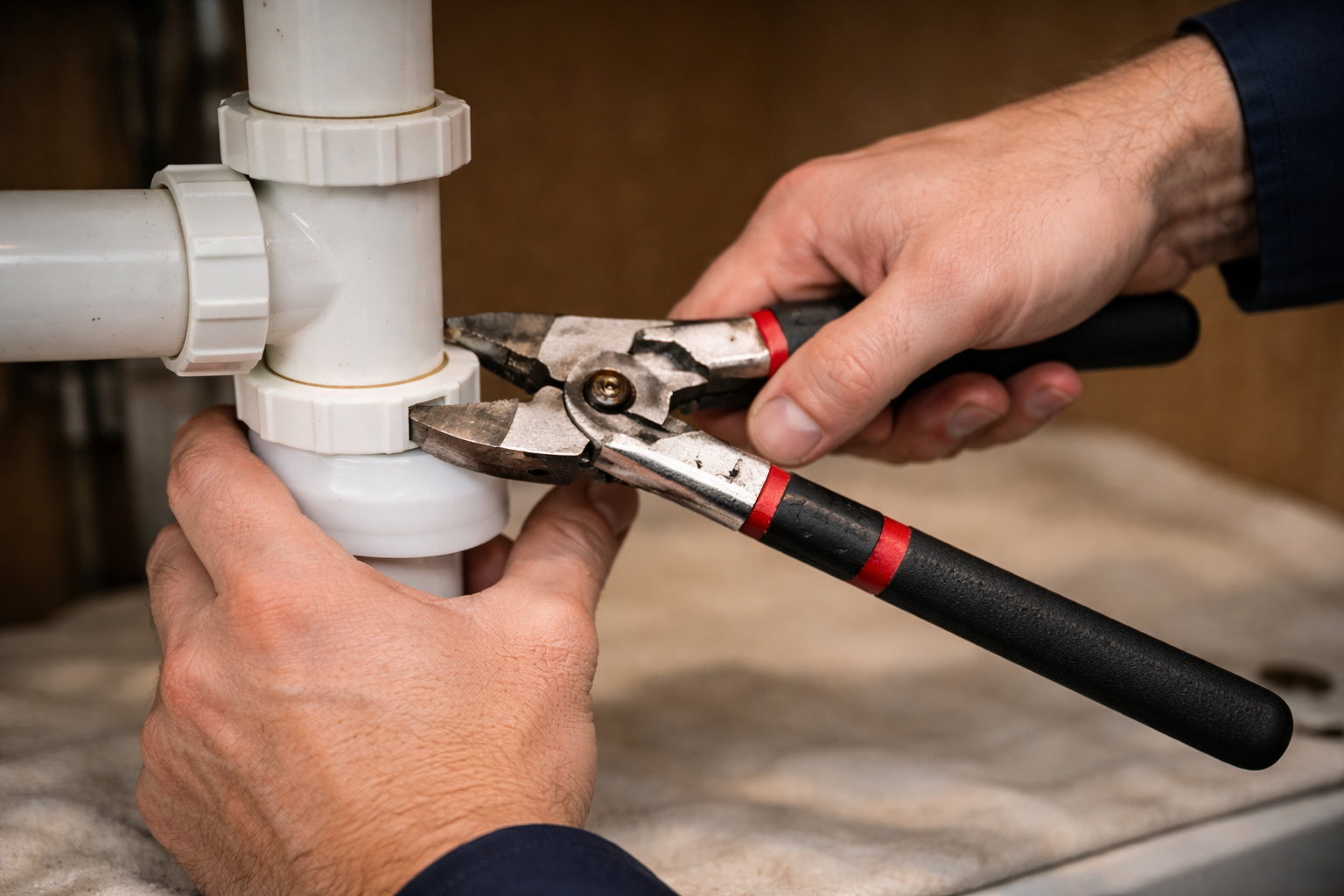
Common Failure Patterns Across Southwestern Connecticut
Legacy Pipe Restriction Failure
Older pipe systems gradually close internally through:
- Corrosion
- Mineral accumulation
- Oxidation
- Sediment buildup
Homeowners often notice:
- Lower pressure
- Uneven flow
- Pipe noise
- Brown water
- Repeated pinhole leaks
The visible symptom usually appears after years of internal degradation.
Basement Moisture Escalation
Basements remain one of the highest-risk plumbing environments in Connecticut homes.
Long-term moisture exposure accelerates both plumbing and structural deterioration simultaneously.
Common triggers include:
- Foundation seepage
- Storm saturation
- Sewer overload
- Drainage imbalance
- Condensation
- Aging pipe leakage
Many homeowners underestimate how long hidden moisture has already existed before visible damage appears.
Pressure Surge Failure
Infrastructure instability creates unpredictable pressure behavior inside older homes.
Pressure spikes can stress:
- Aging copper
- Weak fittings
- Water heaters
- Valves
- Appliance connections
- Older supply lines
Homes with older plumbing materials become more vulnerable as municipal systems fluctuate.
Sewer Lateral Deterioration
Older sewer laterals throughout the corridor increasingly experience:
- Root intrusion
- Settling
- Offset joints
- Internal collapse
- Cast iron deterioration
- Clay pipe fracture
Recurring backups often indicate larger underground system failure instead of isolated blockage.
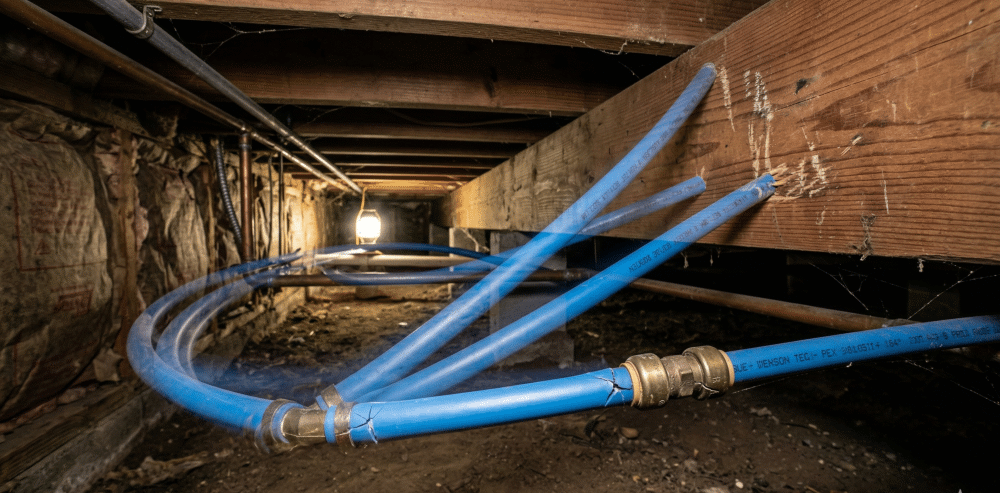
Why Patchwork Repairs Often Escalate the Problem
Many homeowners across the Bridgeport–Stamford corridor experience repeating repair cycles.
One leak gets repaired.
Then pressure drops elsewhere.
Then drainage slows.
Then another section fails.
That pattern develops because the overall system remains unstable.
Patch repairs only isolate visible symptoms.
They usually do not correct:
- Internal corrosion
- System-wide age fatigue
- Pressure imbalance
- Underground deterioration
- Material inconsistency
- Freeze vulnerability
Over time, the plumbing system behaves more like aging infrastructure than isolated residential components.
That changes how risk must be evaluated.
Southwestern Connecticut Homes Operate Inside Infrastructure Systems
Most homeowners think plumbing failures begin inside the house.
In reality, many failures begin through interaction between:
- Municipal infrastructure
- Soil movement
- Freeze cycles
- Coastal exposure
- Stormwater saturation
- Aging residential systems
The Bridgeport–Stamford corridor places continuous long-term stress on plumbing infrastructure.
Understanding those patterns helps homeowners recognize risk earlier — before failures escalate into:
- Structural water damage
- Mold exposure
- Emergency restoration
- Sewer contamination
- Insurance claims
- Whole-home plumbing instability
Most failures across southwestern Connecticut are not random.
They follow recognizable infrastructure and environmental stress patterns.