Georgia Home Failure Intelligence
This helps homeowners identify hidden plumbing risks before visible damage appears, understand why failures happen in Georgia specifically, and make better decisions about repair vs. full system replacement before costs escalate.
Most plumbing problems in Georgia do not start where they are discovered.
They begin underneath the home, inside walls, or within aging system components.
Environmental pressure builds first.
The visible issue comes later.

Georgia homes operate inside a layered stress environment driven by soil movement, humidity, aging infrastructure, rapid development, and water demand variability.
Heat cycles expand piping systems for extended periods each year.
Moisture remains trapped in crawlspaces and wall cavities.
Clay-rich soils shift beneath foundations during wet and dry cycles.
Population growth increases pressure demand across municipal systems.
Older plumbing continues operating beyond its intended lifespan.
Failure is usually delayed.
Early-stage instability often goes unnoticed.
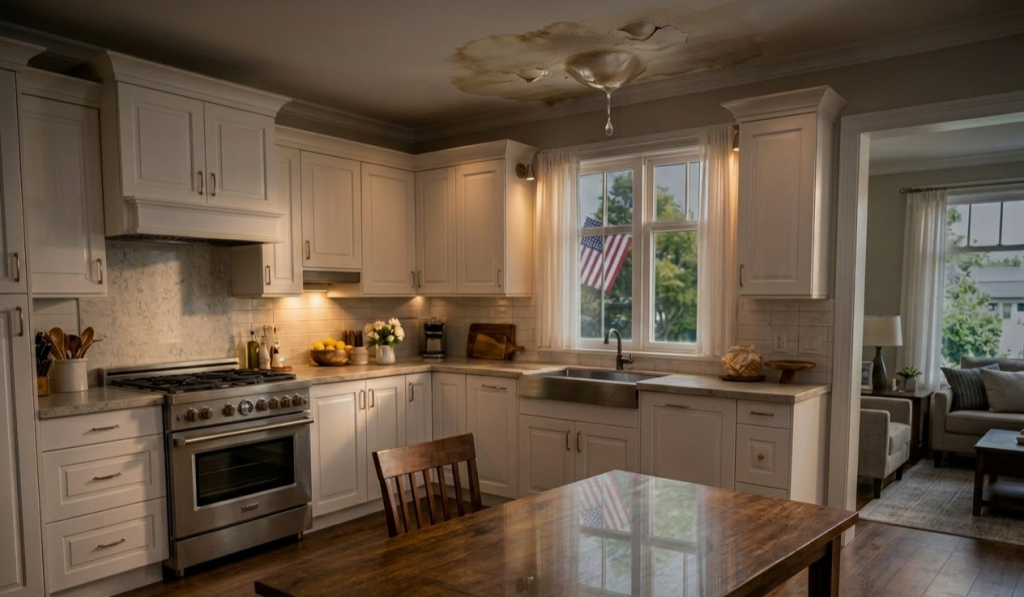
Internal pressure irregularities can develop into concealed leaks beneath slabs.
Corrosion inside piping systems can progress into structural moisture exposure.
Sewer deterioration may weaken surrounding soil conditions over time.
Movement within supply lines can extend into wall and flooring damage.
The event homeowners see is rarely the beginning.
Georgia Functions as a Multi-Force Plumbing Environment
Several national failure patterns converge across Georgia.
The system is influenced by:
- Expansive clay soil movement
- High humidity and moisture retention
- Heat-driven expansion cycles
- Aging residential infrastructure
- Rapid suburban growth
- Root intrusion conditions
- Storm saturation exposure
- Municipal pressure variability
These forces do not operate independently.
They interact continuously.
One property may experience soil-driven slab stress.
Another nearby home may face saturation from drainage conditions.
A third may show pressure fluctuation tied to infrastructure demand.
Variation exists even within the same neighborhood.
Clay Soil Movement Drives Subsurface Stress
Large areas of Georgia contain highly reactive clay soils.
Moisture absorption causes expansion.
Dry periods lead to contraction.
That repeated cycle transfers force into buried plumbing systems.
Copper lines flex over time.
PEX systems experience stress at fittings and directional changes.
Sewer lines slowly shift out of alignment underground.
Long-term outcomes include:
- Subsurface leaks
- Pipe joint separation
- Foundation moisture migration
- Structural stress indicators
- Pressure inconsistencies
Early indicators are often indirect.
Floor temperature differences may appear.
Hairline cracks form along interior surfaces.
Pressure varies between fixtures without a clear cause.
The plumbing system is already reacting at that stage.
Humidity Accelerates Hidden Corrosion
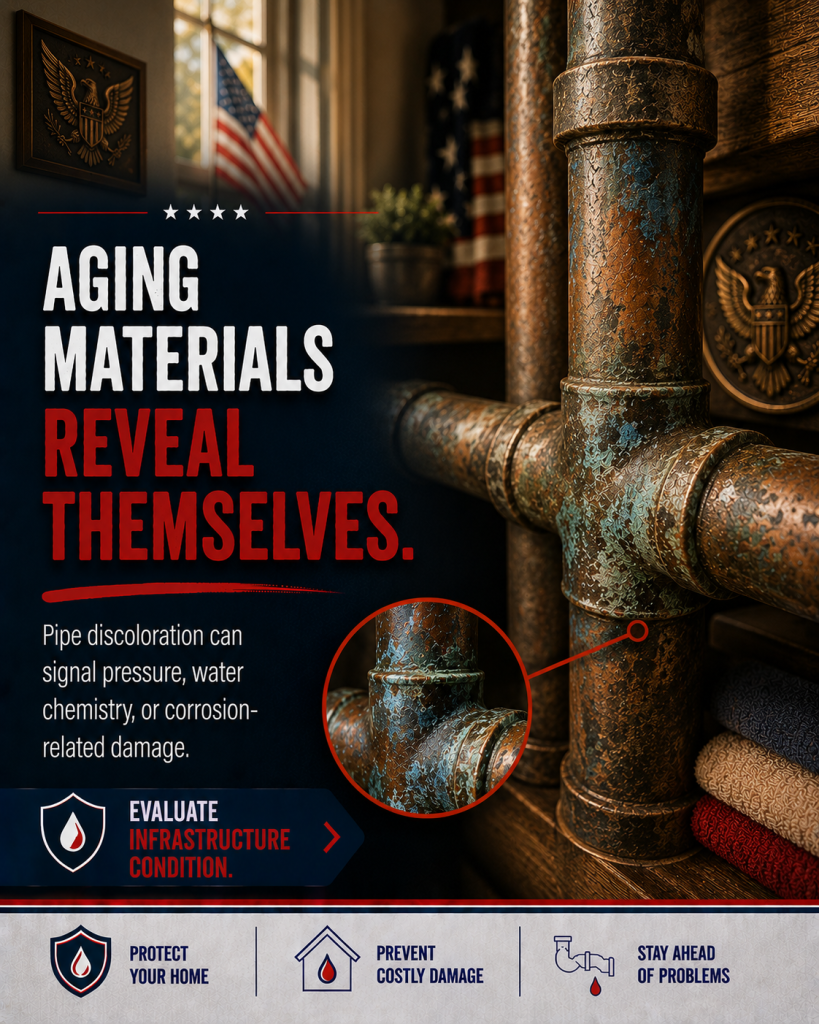
Georgia’s humidity creates a persistent moisture layer inside homes.
Crawlspaces hold damp air.
Wall cavities retain condensation.
Mechanical rooms experience long-term moisture exposure.
These conditions accelerate material degradation.
Metal components weaken faster.
Pipe supports corrode.
Valves degrade internally.
Small leaks remain concealed for extended periods.
Moisture spreads beyond the initial failure point.
Insulation absorbs water.
Framing begins to deteriorate.
Visible signs often appear after significant internal damage has already developed.
Growth Increases Pressure Instability
Georgia continues to experience rapid population expansion, especially around metro areas.
New developments connect into existing infrastructure networks.
Demand increases across shared supply systems.
Pressure balancing becomes more difficult during peak usage.
Longer distribution lines increase internal system strain.
This affects:
- Supply lines
- Water heaters
- Pressure regulators
- Shutoff valves
- Appliance connections
Older homes face elevated risk.
Many were not designed for current usage patterns.
Additional fixtures, irrigation systems, and modern appliances increase internal demand.
The system may continue operating while approaching instability thresholds.
Aging Infrastructure Creates Uneven Failure Patterns
Many Georgia homes still rely on older plumbing systems.
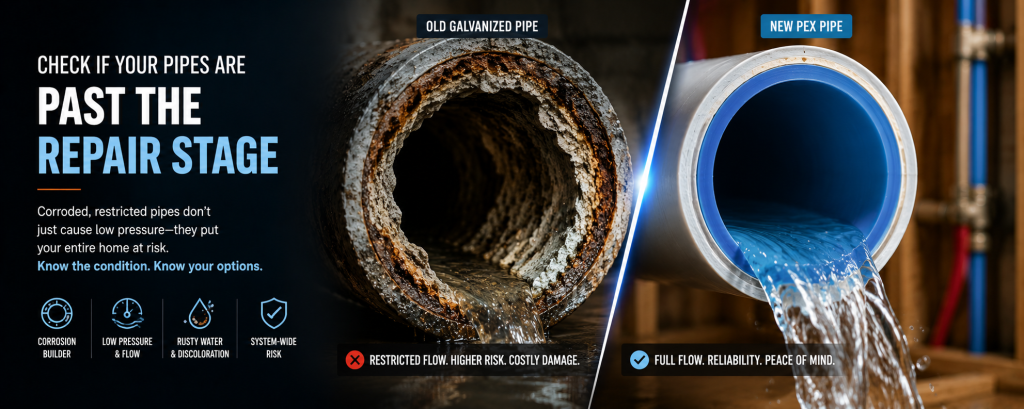
Galvanized piping continues internal corrosion.
Copper systems develop pinhole risk after years of pressure cycling.
Cast iron sewer lines weaken under long-term moisture exposure.
Older systems were built for lower demand levels.
Modern usage accelerates wear.
Failure rarely occurs evenly across the system.
Weaker sections deteriorate first.
Remaining components absorb redistributed stress.
That redistribution increases failure probability in adjacent areas.
Storm Saturation Adds External Pressure
Heavy rainfall introduces additional underground stress.
Soil becomes saturated.
Support around buried pipes weakens.
Groundwater infiltration increases system exposure.
Drainage systems become overloaded.
External pressure combines with internal system strain.
This dual pressure environment increases failure risk.
Many plumbing issues surface after major rain events.
The timing appears sudden.
The underlying deterioration has typically been progressing long before the event.

Root Intrusion Expands Sewer System Damage
Georgia’s vegetation environment supports aggressive root growth.
Roots seek consistent moisture sources.
Small pipe separations attract early intrusion.
Over time, intrusion expands and damages the system.
Common results include:
- Flow restriction
- Recurring backups
- Pipe collapse
- Yard saturation
- Subsurface void formation
Older sewer systems are especially vulnerable.
Jointed materials provide entry points.
Material degradation accelerates intrusion.
Discovery often occurs only after major system disruption.
Rapid Construction Introduces Long-Term Variability
High-growth construction cycles create variation in installation quality.
Speed often takes priority during large development phases.
System consistency becomes less predictable.
Long-term vulnerabilities may include:
- Inadequate pipe support
- Improper system balancing
- Weak connection points
- Drainage slope inconsistencies
- Undersized supply configurations
These conditions may remain stable temporarily.
Environmental stress eventually exposes weaknesses.
Georgia Homes Experience Layered System Pressure
Plumbing systems across Georgia operate under multiple simultaneous forces.
Soil movement affects underground stability.
Humidity accelerates internal deterioration.
Growth increases demand on infrastructure.
Storms introduce saturation pressure.
Roots exploit system vulnerabilities.
Aging materials weaken over time.
Each force compounds the others.
Most failures are not isolated events.
They are cumulative system responses.
Understanding these patterns allows homeowners to recognize early warning signs, evaluate system-wide risk, and make more informed decisions before hidden damage becomes visible and costly.