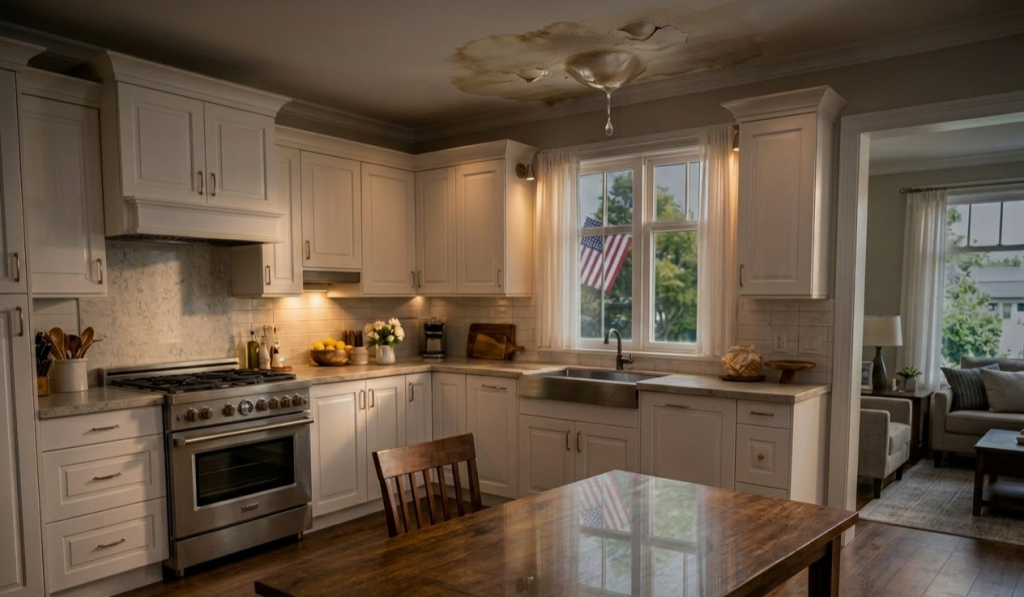
Connecticut Plumbing Systems Under Freeze and Infrastructure Fatigue
This helps Connecticut homeowners identify how freeze cycles and aging infrastructure combine to weaken plumbing systems over time—before pipe bursts, hidden leaks, or whole-home water damage occur.
Most plumbing failures across Connecticut do not begin during a winter storm.
They begin years earlier as freeze pressure and infrastructure fatigue slowly degrade the system from the inside.
Connecticut operates within one of the oldest infrastructure environments in the Northeast.
Legacy water mains.
Aging residential plumbing.
Freeze-thaw soil movement.
Long-term material wear.
Each winter adds stress.
Each season compounds existing weaknesses.
The visible failure is often delayed.
Why Connecticut Creates a Compounding Failure Environment
Plumbing systems across Connecticut are exposed to overlapping stress conditions:
- Repeated freeze-thaw cycles
- Aging municipal infrastructure
- Older housing stock
- Basement-heavy construction
- Moisture exposure
- Mixed-era plumbing systems
- Long-term repair layering
These forces do not act independently.
They stack over time.
One weak winter does not usually cause failure.
Five, ten, or twenty cycles often do.
That is how fatigue develops.
The 5 Primary Forces Driving System Failure
1. Freeze Expansion Pressure
Water expands when it freezes.
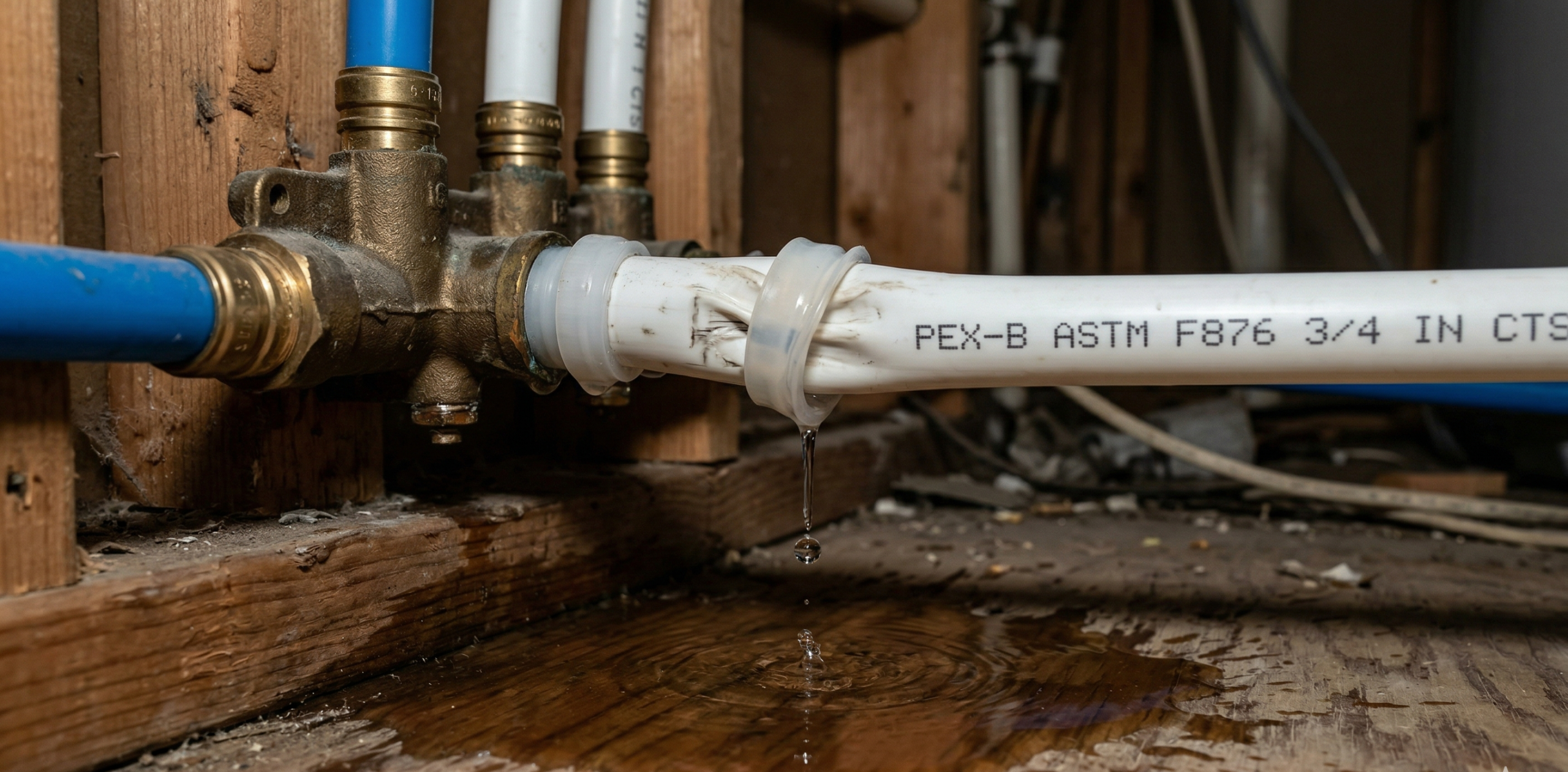
Inside a closed plumbing system, that expansion creates internal pressure against pipe walls and connections.
Repeated cycles cause:
- Micro-fractures inside pipe walls
- Joint weakening
- Seal degradation
- Valve stress
- Connection fatigue
Pipes rarely fail the first time they freeze.
They weaken over multiple winters before reaching failure.
2. Aging Infrastructure Stress
Many Connecticut water systems operate beyond their intended lifespan.
Older mains contribute to:
- Pressure fluctuation
- Sediment disturbance
- Flow inconsistency
- Chemical variability
When infrastructure shifts, residential plumbing absorbs the change.
Older homes feel this more intensely.
The system is no longer operating under stable conditions.
3. Soil Movement and Underground Pressure
Freeze-thaw cycles do not only affect pipes.
They move the ground itself.
As soil expands and contracts, underground systems experience:
- Service line stress
- Sewer lateral shifting
- Joint separation
- Pipe misalignment
- Underground cracking
Movement underneath the home introduces hidden instability.
Symptoms may not appear immediately.
Damage often develops below the surface first.
4. Moisture and Cold-Air Exposure
Connecticut homes frequently combine moisture with cold exposure.
Basements, crawlspaces, and exterior walls create high-risk zones.
These environments introduce:
- Condensation cycles
- Foundation seepage
- Cold-air infiltration
- Insulation gaps
- Persistent damp conditions
Moisture increases heat loss.
Cold air accelerates freezing.
Together, they create localized stress points inside the system.
5. Time-Based Material Fatigue
Age changes how plumbing systems behave.
Materials weaken.
Connections loosen.
Repairs accumulate.
Standards vary across decades.
Many homes now contain:
- Galvanized remnants
- Copper upgrades
- PVC transitions
- Mixed fittings
- Multiple repair phases
Each layer introduces inconsistency.
Different materials expand and contract at different rates.
Over time, that mismatch creates structural weakness.
The Most Common Connecticut Failure Patterns
Delayed Freeze Burst Failure
Pipes often fail after the freeze event.
Pressure builds during freezing.
Damage occurs internally.
The rupture appears later during thaw.
Common locations include:
- Exterior walls
- Basements
- Crawlspaces
- Garages
- Seasonal rooms
The timing creates confusion.
The cause started earlier.
Internal Pipe Fracturing
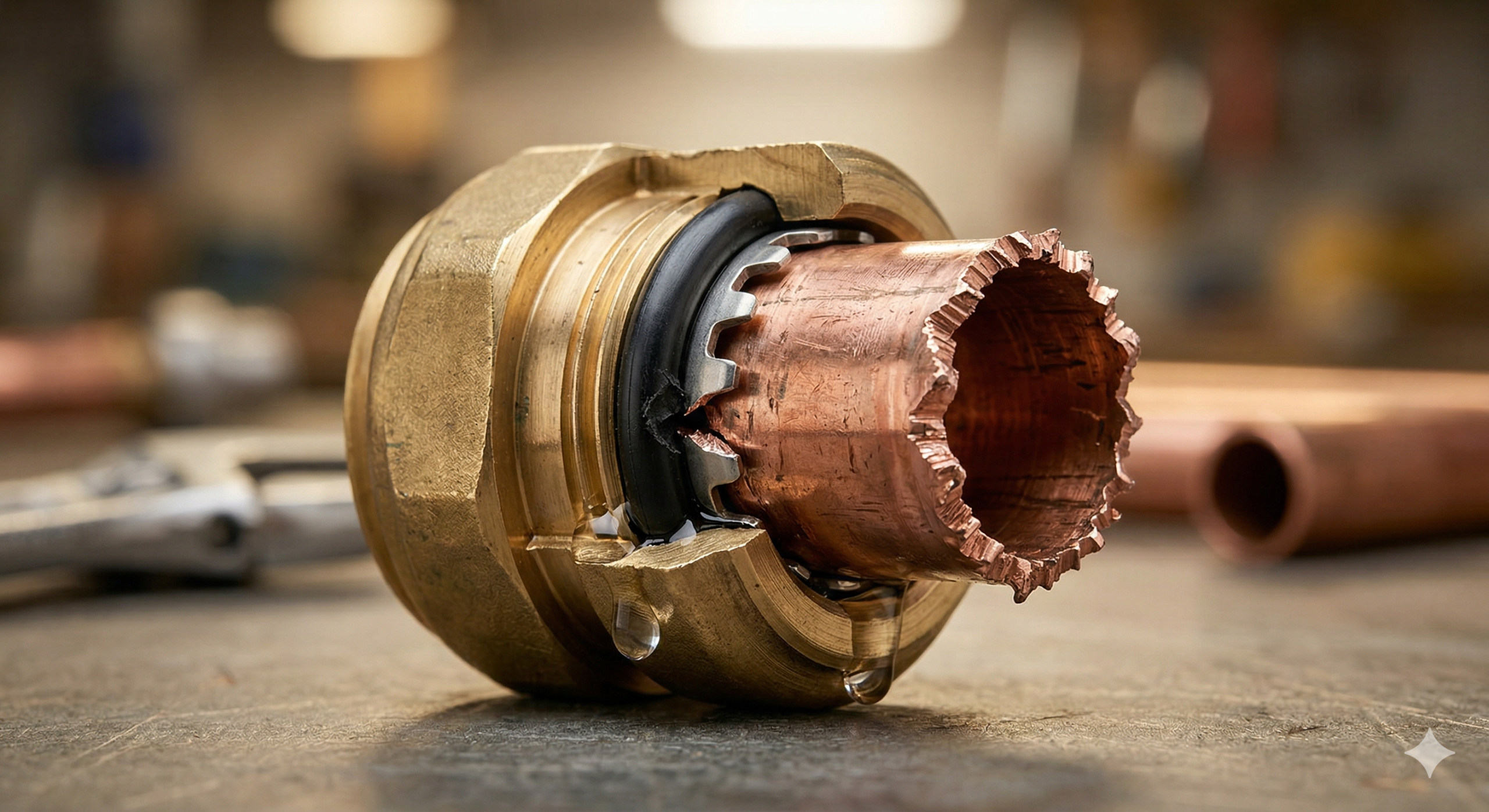
Repeated expansion creates micro-damage.
Small fractures develop inside pipe walls.
These may lead to:
- Slow leaks
- Hidden moisture
- Pressure loss
- Structural saturation
Damage may remain undetected for long periods.
Underground Service Line Stress
Freeze movement impacts buried lines.
Older or shallow systems are most vulnerable.
Homeowners may notice:
- Pressure inconsistency
- Wet yard sections
- Seasonal performance changes
- Discolored water
These signs often point to underground instability.
Basement Water Escalation
Freeze failures frequently originate in basement environments.
Once a pipe fails, water spreads rapidly through:
- Framing
- Insulation
- Flooring
- Stored materials
The plumbing issue quickly becomes a structural problem.
Why Failures Repeat Across Connecticut Homes
Many homeowners experience multiple plumbing issues over time.
A pipe bursts one winter.
Another section leaks the following year.
Pressure problems appear elsewhere.
This pattern develops because the system is aging as a whole.
Freeze exposure accelerates that process.
Each repair addresses a single point.
The broader system continues to weaken.

Why Patch Repairs Do Not Address System Fatigue
Fixing a visible break restores function locally.
The underlying system conditions remain:
- Material fatigue
- Freeze vulnerability
- Pressure imbalance
- Underground movement
- Moisture exposure
New failure points continue to form.
The system operates under the same stress conditions.
Over time, issues become more frequent.
Connecticut Homes Operate Inside Seasonal Stress Cycles
Plumbing systems across Connecticut experience recurring environmental pressure.
Winter introduces expansion stress.
Spring introduces saturation and movement.
Summer introduces demand and thermal variation.
Fall prepares the system for another cycle.
Each season contributes to long-term fatigue.
Understanding this cycle helps homeowners recognize early warning signs before failure escalates into:
- Structural water damage
- Mold growth
- Insurance claims
- Emergency repairs
- Whole-home plumbing instability
Most plumbing failures in Connecticut follow predictable patterns tied to freeze exposure and infrastructure age.
Recognizing those patterns early is what changes the outcome.