
Mississippi
Plumbing Systems Under Humidity and Saturation Pressure
Mississippi plumbing systems operate inside a high-moisture environment where humidity, ground saturation, flood exposure, and aging infrastructure overlap continuously.
Rainfall remains heavy across much of the state.
Humidity stays elevated for long portions of the year.
Groundwater pressure affects foundations and underground plumbing systems repeatedly.
Warm temperatures accelerate moisture retention underneath homes and inside wall systems.
In Mississippi, many plumbing failures begin quietly long before visible damage appears inside the structure.
Moisture accumulates underneath homes.
Drainage systems absorb repeated saturation cycles.
Corrosion develops inside vulnerable piping materials.
Ground movement stresses underground infrastructure.
Then one condition changes.
The system responds.
Across Mississippi, homeowners commonly experience:
- sewer backups
- crawl space moisture intrusion
- slab leaks
- cast iron drain deterioration
- hydrostatic pressure buildup
- foundation-related plumbing movement
- drainage imbalance
- hidden plumbing leaks
- mold growth tied to moisture exposure
- under-slab pipe deterioration
- recurring sewer odors
- groundwater-related infrastructure stress
Most Mississippi plumbing failures are not isolated plumbing events.
They are environmental saturation failures tied to humidity, groundwater exposure, infrastructure aging, and long-term moisture pressure.
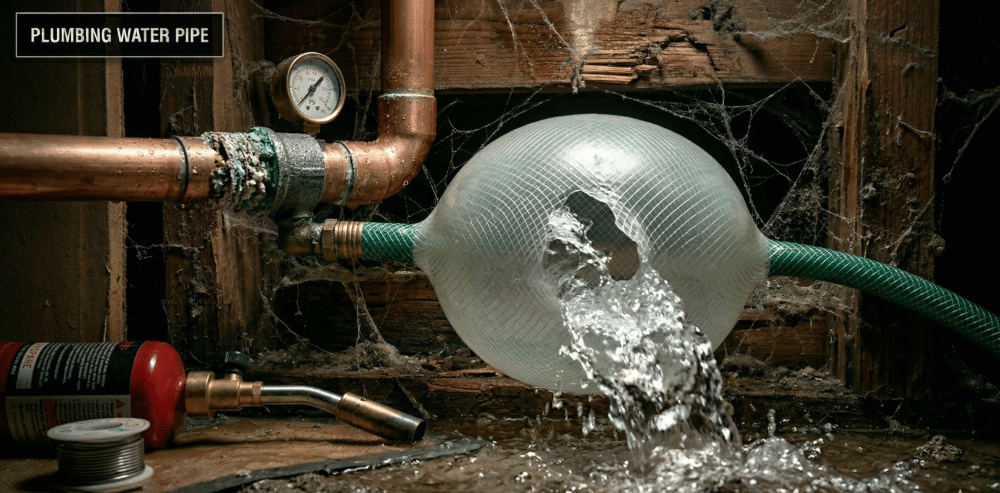
Mississippi Humidity Creates Continuous Moisture Exposure
Humidity changes how plumbing systems age.
Mississippi’s warm, moisture-heavy climate prevents many structures from fully drying out between exposure cycles.
Condensation forms around cold water lines.
Crawl spaces remain damp.
Wall cavities absorb hidden moisture exposure.
Ventilation inconsistencies trap humid air underneath homes for extended periods.
Mississippi homes frequently experience elevated crawl space and structural moisture conditions tied to long-term humidity exposure.
Over time:
- plumbing supports corrode
- wood framing absorbs moisture
- mold expands
- insulation weakens
- hidden leaks remain undetected longer
Many homeowners initially notice:
- musty odors
- soft flooring
- elevated indoor humidity
- mildew growth
- warped baseboards
- inconsistent drainage performance
The visible symptom often appears much later than the original moisture exposure.
The environment remains active underneath the structure long before the plumbing failure becomes visible.
Ground Saturation Creates Underground Infrastructure Stress
Mississippi’s rainfall and groundwater conditions place constant pressure on underground plumbing systems.
Heavy rain saturates the soil repeatedly.
Hydrostatic pressure builds around foundations and buried sewer systems.
Drainage flow becomes inconsistent during prolonged wet periods.
This affects:
- sewer laterals
- slab plumbing
- crawl space systems
- underground water services
- foundation-adjacent infrastructure
Mississippi flood-prone regions continue experiencing elevated groundwater and drainage pressure affecting residential infrastructure systems.
As moisture pressure increases:
- underground supports weaken
- sewer alignment changes
- pipe joints absorb stress
- wastewater flow slows
- drainage systems lose stability
Many Mississippi plumbing systems operate inside active saturation environments year-round.
The pressure accumulates gradually underneath the structure.
Then one condition shifts.
The system responds.
Crawl Spaces Become Active Failure Environments
Many Mississippi homes operate over crawl space foundations.
These spaces absorb continuous environmental moisture exposure.
Warm air enters underneath structures.
Groundwater rises after storms.
Humidity remains trapped beneath flooring systems.
Over time, crawl spaces transition into active deterioration environments.
This affects:
- plumbing systems
- insulation
- wood framing
- HVAC systems
- indoor air quality
Water lines sweat during humid periods.
Metal fasteners corrode.
Drain systems weaken.
Wood absorbs moisture continuously.
Mold conditions expand underneath the structure.
The plumbing system becomes directly tied to the larger moisture cycle underneath the home.
Many recurring plumbing and air quality issues in Mississippi originate from hidden crawl space moisture exposure rather than isolated plumbing defects alone.

Mississippi Sewer Systems Absorb Saturation and Root Pressure
Underground sewer systems remain highly vulnerable throughout Mississippi.
Saturated soils shift underground supports.
Roots naturally seek moisture sources inside weakened sewer systems.
Older drain lines absorb repeated movement pressure during wet-dry cycles.
This creates:
- offset sewer joints
- standing wastewater
- recurring backups
- underground cracking
- sewer gas release
- partial sewer collapse
Many Mississippi sewer failures involve overlapping environmental forces:
- saturation pressure
- infrastructure aging
- root intrusion
- soil movement
- drainage instability
The visible sewer backup often represents the final stage of years of underground environmental stress.
Slab Leaks Become Long-Term Moisture Migration Events
Many Mississippi homes contain slab foundation plumbing systems vulnerable to hidden deterioration.
As moisture pressure changes underneath the slab:
- copper lines absorb stress
- pipe supports weaken
- corrosion accelerates
- underground moisture migrates through the structure
Slab leaks often remain hidden longer in humid Mississippi environments because elevated ambient moisture masks early warning signs.
The leak slowly expands underneath flooring systems.
Then secondary damage begins appearing through:
- flooring separation
- mold growth
- rising water bills
- warm flooring
- interior humidity increase
- wall staining
The visible damage is often much later than the original underground leak.
Aging Infrastructure Increases Mississippi Plumbing Vulnerability
Many Mississippi homes continue operating with aging plumbing infrastructure already weakened by decades of environmental exposure.
Especially in:
- Jackson
- Gulf Coast communities
- older river towns
- historic neighborhoods
- rural infrastructure corridors
Common aging infrastructure conditions include:
- cast iron sewer systems
- galvanized supply piping
- aging copper lines
- deteriorating sewer laterals
- outdated underground connections
These systems now operate inside environments with:
- constant humidity
- elevated groundwater
- flood exposure
- saturation pressure
- corrosion acceleration
Older sewer and plumbing systems throughout Mississippi remain increasingly vulnerable to collapse and deterioration under long-term moisture exposure.
Many isolated plumbing repairs fail because the larger environmental pressure remains active across the entire system.

Drainage and Venting Imbalance Across Mississippi Homes
Drainage systems rely on stable airflow and consistent wastewater movement.
Humidity and saturation pressure disrupt that balance.
Underground movement changes drainage pitch.
Vent systems absorb moisture exposure and corrosion.
Hydrostatic pressure alters wastewater movement underneath the structure.
Many Mississippi homeowners experience:
- gurgling drains
- sewer odors
- fluctuating toilet performance
- recurring slow drains
- intermittent backups
- inconsistent fixture behavior
The visible issue often appears at one fixture.
The larger issue usually exists across the broader environmental plumbing system underneath and around the structure.
Mississippi Plumbing Failures Are Saturation Failures
Most Mississippi plumbing failures involve overlapping environmental forces.
Humidity.
Ground saturation.
Hydrostatic pressure.
Infrastructure aging.
Corrosion.
Drainage instability.
Root intrusion.
Time.
These forces gradually weaken plumbing systems underneath homes while remaining mostly hidden during early stages.
Then one condition changes.
Heavy rain arrives.
Groundwater rises.
Pressure redistributes.
A weakened sewer section shifts.
The system responds.
That is why Mississippi plumbing environments increasingly require full-system evaluation instead of isolated repair thinking.
The visible sewer backup, slab leak, or crawl space moisture issue is often only the final stage of a much larger humidity and saturation pressure failure pattern.