
Kansas
Plumbing Systems Under Soil Movement and Weather Stress
Kansas plumbing systems operate inside a high-variability environment where expansive soil movement, drought cycles, severe storms, freeze exposure, and aging infrastructure overlap continuously.
The ground expands after heavy rain.
Then contracts during prolonged dry periods.
Storm systems create rapid saturation changes.
Freeze-thaw cycles shift underground infrastructure.
High winds and severe weather accelerate structural stress across homes and utility systems.
In Kansas, many plumbing failures begin underneath the structure long before visible symptoms appear inside the home.
The soil slowly moves.
Drainage systems lose alignment.
Pipe joints weaken under pressure.
Foundations absorb environmental stress.
Then one condition changes.
The system responds.
Across Kansas, homeowners commonly experience:
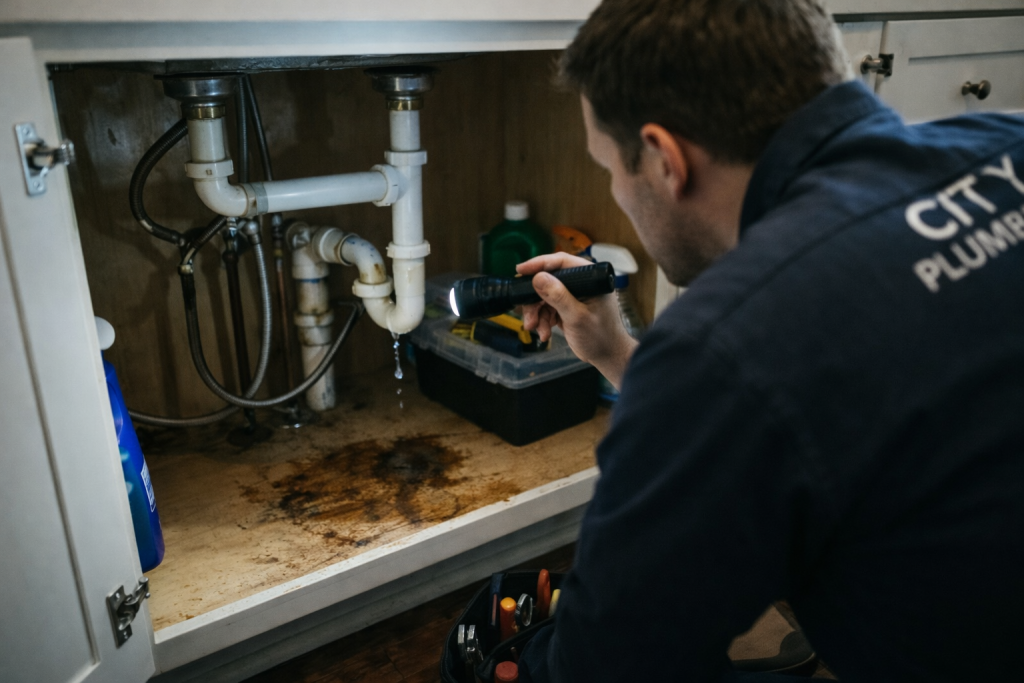
- slab leaks
- shifting sewer lines
- foundation-related pipe stress
- drainage imbalance
- underground pipe separation
- recurring sewer backups
- freeze-related pipe cracking
- crawl space moisture intrusion
- hydrostatic pressure buildup
- root intrusion
- shifting drain line pitch
- hidden water damage tied to movement
Most Kansas plumbing failures are not isolated plumbing events.
They are environmental pressure failures tied to soil instability, weather exposure, infrastructure aging, and long-term structural movement.
Kansas Soil Movement Creates Continuous Plumbing Stress
Large portions of Kansas contain expansive clay soil environments.
These soils change volume dramatically as moisture levels fluctuate.
During heavy rain periods, the soil expands.
During drought conditions, it contracts and settles.
That movement creates constant pressure against foundations and buried plumbing systems.
Kansas clay soils continue creating structural and foundation movement problems across residential infrastructure throughout the state.
As the ground shifts:
- sewer lines move
- underground joints weaken
- slab plumbing absorbs stress
- drainage pitch changes
- buried supports become unstable
Many Kansas plumbing systems operate inside active movement environments year-round.
The stress accumulates slowly underneath the structure.
Then pressure redistributes.
A connection weakens.
The system responds.
Many homeowners initially notice:
- drywall cracking
- uneven flooring
- sticking doors
- recurring drain backups
- sewer odors
- fluctuating water pressure
- foundation movement
The visible symptom inside the home often begins as underground environmental movement below the structure.
Kansas Weather Creates Rapid Pressure Changes
Kansas weather systems change quickly.
Heavy storms arrive suddenly.
Rainfall saturates the ground rapidly.
Then dry heat returns.
This constant environmental cycling places repeated stress on plumbing infrastructure.
Severe weather conditions across Kansas continue exposing underground utilities and residential infrastructure to shifting moisture and pressure conditions.
This affects:
- underground sewer systems
- slab plumbing
- crawl spaces
- storm drainage systems
- foundation-adjacent utilities
Heavy rainfall increases hydrostatic pressure around buried systems.
Drought conditions shrink supporting soils.
Freeze cycles add additional expansion stress during winter months.
The plumbing system absorbs every environmental transition.
Not just one isolated condition.
Slab Leaks Become Structural Movement Failures
Many Kansas homes operate on slab foundations.
That places plumbing systems directly inside active soil movement zones.
As expansive soils shift underneath the structure:
- copper lines absorb friction stress
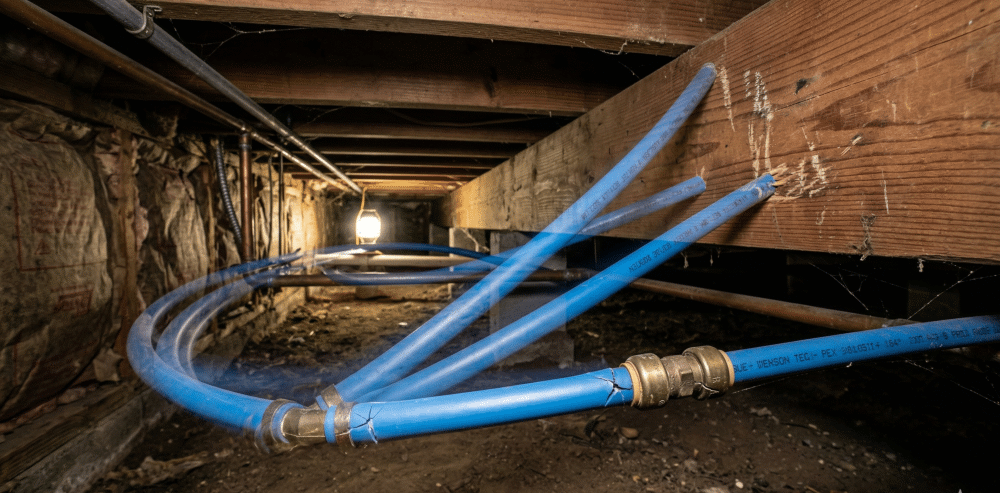
- PEX systems flex repeatedly
- pipe supports weaken
- underground abrasion increases
- fittings absorb pressure variation
Over time, the system loses stability.
Then a leak develops underneath the slab.
But the leak itself is often only the final stage of years of underground movement pressure.
Kansas slab leak conditions commonly involve:
- expansive clay movement
- drought contraction
- hydrostatic pressure
- freeze-thaw stress
- foundation shifting
The visible flooring damage or moisture intrusion usually appears much later than the original infrastructure stress.
Sewer Systems Absorb Soil and Root Pressure Simultaneously
Kansas sewer systems remain highly vulnerable to environmental movement.
Drainage systems rely on stable alignment and consistent slope.
Soil movement disrupts both.
At the same time, roots naturally seek moisture sources underground.
Small cracks inside aging sewer systems attract intrusion over time.
Kansas sewer failures commonly involve overlapping environmental forces:
- soil expansion
- drought contraction
- root intrusion
- freeze-thaw movement
- aging infrastructure
As the environment shifts:
- joints separate
- wastewater flow slows
- standing waste accumulates
- sewer gases escape
- low spots develop inside the line
Many Kansas homeowners first notice:
- recurring drain backups
- gurgling fixtures
- wet lawn areas
- sewer odors
- slow wastewater movement
The visible sewer backup often represents the final stage of long-term underground movement stress.
Freeze-Thaw Conditions Increase Infrastructure Fatigue
Kansas winters create additional plumbing pressure through freeze-thaw cycling.
Water freezes inside vulnerable pipes.
Expansion pressure builds internally.
The ground freezes and contracts.
Then thaws and shifts again.
This repeated cycle accelerates long-term infrastructure fatigue across:
- underground water services
- sewer laterals
- crawl space plumbing
- exterior wall systems
- older copper piping
Freeze-thaw cycles continue creating underground utility movement and pipe stress throughout Kansas infrastructure environments.
Many plumbing systems gradually weaken through repeated environmental cycling long before a visible leak finally appears.

Crawl Spaces and Basements Become Moisture Transition Zones
Kansas homes frequently experience rapid moisture swings underneath the structure.
Heavy rain saturates the ground.
Humidity rises.
Then dry conditions return.
That cycling creates unstable crawl space and basement environments.
Many Kansas homes experience:
- condensation buildup
- mold growth
- plumbing corrosion
- moisture intrusion
- shifting supports
- hidden pipe leaks
The plumbing system becomes directly connected to the larger environmental instability surrounding the structure itself.
Drainage and Venting Imbalance Across Kansas Homes
Drainage systems rely on stable airflow and consistent wastewater movement.
Environmental movement disrupts that balance.
As underground systems shift:
- vent stacks absorb structural stress
- drainage pitch changes
- airflow fluctuates
- wastewater movement slows
Many Kansas homeowners experience:
- gurgling drains
- sewer odors
- intermittent backups
- fluctuating toilet behavior
- slow drains after storms
- recurring drainage instability
The visible issue often appears at one fixture.
The larger issue usually exists across the broader environmental plumbing system underneath the home.
Kansas Plumbing Failures Are Environmental Movement Failures
Most Kansas plumbing failures involve overlapping environmental forces.
Soil expansion.
Drought contraction.
Storm saturation.
Freeze-thaw movement.
Hydrostatic pressure.
Infrastructure aging.
Root intrusion.
Time.
These forces gradually weaken plumbing systems underneath homes while remaining mostly hidden during early stages.
Then one condition changes.
Heavy rain arrives.
The soil expands.
A drought follows.
The ground contracts.
Pressure redistributes.
The system responds.
That is why Kansas plumbing environments increasingly require full-system evaluation instead of isolated repair thinking.
The visible slab leak, sewer backup, or pipe separation is often only the final stage of a much larger soil movement and weather stress failure pattern.