



🚨 Christmas Flood of 1955 — Full Breakdown Report
Yuba City, North Coast & Northern California (December 1955)
Why This Matters to Homeowners in Northern California:
When multiple systems are stressed at once, failure doesn’t happen in one place—it happens everywhere at the same time.

📍 Geographic + Structural Context (Pre-Event Environment)
This was a multi-region flood disaster across Northern California, with devastating impacts in the Sacramento Valley and coastal river systems.
Primary regions and cities affected (for scale + search relevance):
Feather River Basin: Yuba City, Marysville
Sacramento Valley: Sacramento, Chico
North Coast Rivers: Eureka, Arcata
Interior + Northern zones: Redding, Oroville
Critical preconditions:
Levee-dependent regions: Especially around Yuba City and Feather River
River system exposure: Multiple major rivers (Feather, Sacramento, Eel, Russian)
Infrastructure limitations: Mid-century levees not built for extreme cumulative events
Soil saturation: Prior storms had already weakened ground absorption capacity
Settlement pattern: Homes and farms built directly in floodplains
The top 10 plumbing and water-related disasters in Northern California history:
1. The Great Flood of 1862 (Sacramento & Central Valley)
This is the “megaflood” by which all others are measured. After 45 days of continuous rain, the Central Valley became an inland sea 300 miles long and 20 miles wide. Downtown Sacramento was under 10 feet of water, forcing the state legislature to move to San Francisco temporarily. This event led to the massive effort to literally raise the city of Sacramento by one story to prevent future catastrophe.
2. The New Year’s Day Flood of 1997
One of the largest modern floods on record, this “warm” storm dropped 30 inches of rain onto deep mountain snowpacks in just three days. The resulting runoff caused levee breaches along the Sacramento and Feather Rivers, leading to the evacuation of 120,000 people and causing roughly $2 billion in damages across Northern California.
3. The Oroville Dam Spillway Crisis (2017)
In early 2017, the main concrete spillway of the Oroville Dam—the tallest dam in the U.S.—cratered during heavy releases. When the emergency spillway was used for the first time in history, it began to erode, threatening a catastrophic wall of water. Over 180,000 residents downstream were evacuated in a single afternoon. The crisis resulted in a $1.1 billion repair project and permanent changes to dam safety laws.
4. The 1990 “Great Freeze” (Statewide/Central Valley)
While not a flood, this was one of the worst plumbing disasters in history. For nearly a week, temperatures in the Central Valley stayed below 25°F. The freeze caused tens of thousands of residential and agricultural pipes to burst simultaneously, causing over $3.4 billion in economic losses and triggering a massive surge in the plumbing and repiping industry.
5. The Delta Island Levee Breaches (1972 & 2004)
The Sacramento-San Joaquin River Delta is a fragile network of “islands” protected by aging levees. In 1972 (Isleton) and 2004 (Jones Tract), major levees failed, flooding thousands of acres of farmland and threatening the freshwater supply for much of the state. These events are constant reminders of the risk posed by the Delta’s sinking “subsided” land.
6. The “Christmas Flood” of 1955
A massive atmospheric river slammed into Northern California just before Christmas, hitting the North Coast and Central Valley. The Eel River reached record flows, and the Feather River burst its banks, killing 74 people and causing statewide disaster declarations. It remains one of the deadliest water events in regional history.
7. The Great San Francisco Earthquake & Fire (1906)
This was as much a water disaster as a seismic one. The earthquake shattered the city’s underground water mains, leaving firefighters with dry hydrants as the city burned. The failure of the city’s plumbing infrastructure was the reason the fire became more destructive than the earthquake itself, leading to the creation of the San Francisco Auxiliary Water Supply System (the high-pressure hydrants you see today).
8. The 1986 Valentine’s Day Flood
A series of “Pineapple Express” storms dumped massive amounts of rain on the Sierra Nevada. This event pushed the Sacramento levee system to its design limit and resulted in a major levee breach at Linda and Olivehurst, which submerged thousands of homes and changed how Northern California manages its bypass and weir systems.
9. The Napa River Flood of 1986
During the same 1986 storm cycle, the Napa River reached a record crest, flooding downtown Napa and the surrounding wine country. The disaster caused $100 million in damage and led to the “Living River” project—a unique, multi-decade flood control plan that uses natural wetlands instead of traditional concrete walls.
10. The 1964 Tsunami (Crescent City)
Triggered by the massive 9.2 earthquake in Alaska, a series of tidal surges hit the coast of Northern California. Crescent City was decimated by four waves, the largest of which was 20 feet high. It destroyed the downtown area, broke water and sewer lines throughout the city, and remains the most significant tsunami event in California history.
🌧️ Weather + Environmental Conditions
This was a classic atmospheric river event, but amplified by duration and scale.
Intense multi-day rainfall across Northern California
Snowpack melt contributed additional runoff
Storm systems stacked with minimal recovery time
👉 Key dynamic:
Water input exceeded every system simultaneously
⚙️ Failure Mechanics (What Actually Broke)
Step-by-Step Breakdown
1. Soil Saturation (System Priming)
Ground fully saturated from prior storms
Absorption capacity dropped to zero
2. Runoff Surge Across Multiple Watersheds
Rainfall converted directly into runoff
Rivers rose rapidly across multiple regions
3. Multi-River System Overload
Feather River, Sacramento River, and coastal rivers surged simultaneously
No system had capacity relief
4. Levee Stress + Overtopping
Sustained high water levels weakened levees
Overtopping began in vulnerable sections
5. Levee Breach Events (Critical Failure)
Levees failed near Yuba City and Marysville
Water escaped containment rapidly
6. Rapid Floodplain Expansion
Water spread into:
residential neighborhoods
agricultural land
Entire communities inundated
💥 The Event (December 1955)
Timeline: Rapid escalation during peak storm period
Initial warning signs:
rising river levels
minor flooding before breach
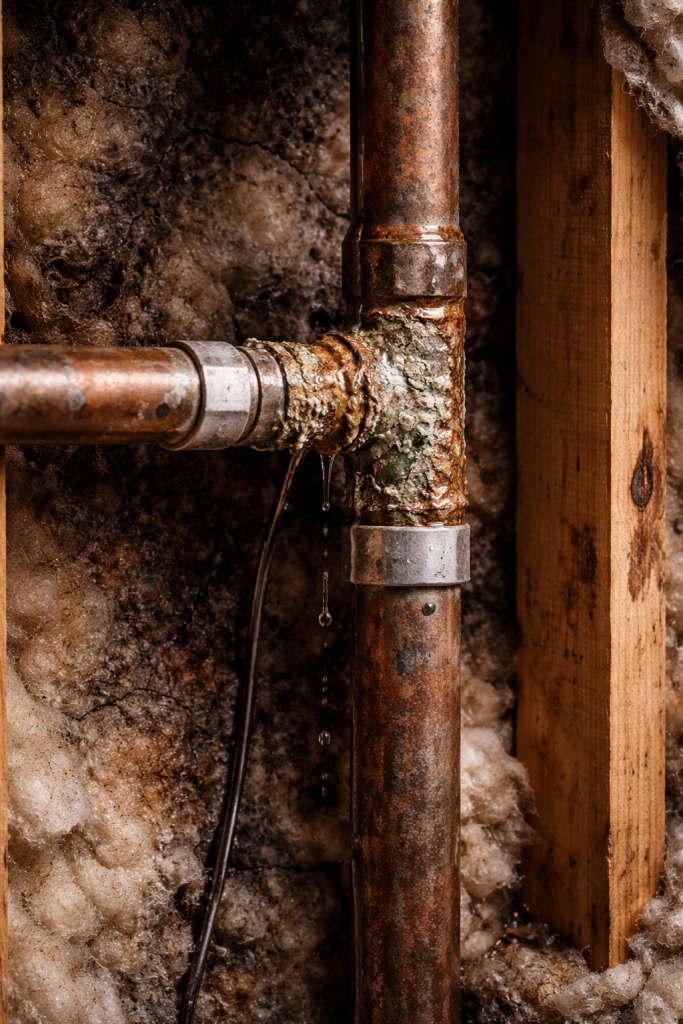
Collapse Dynamics
Rivers overtopped
Levees failed
Floodwaters spread uncontrollably
👉 System moved from stressed → overwhelmed → breached
🏚️ Immediate Damage Profile
38+ deaths statewide
Entire neighborhoods destroyed in Yuba City region
Damage characteristics:
Homes swept off foundations
Widespread agricultural loss
Infrastructure collapse (roads, levees, utilities)
Regional impact:
Transportation systems shut down
Communities isolated by floodwaters
🧠 System-Level Failure Analysis
1. Simultaneous Multi-System Failure
Not one river
Multiple systems:
failed at the same time
2. Levee Dependency Weakness
Levees were primary defense
Once breached:
no secondary containment existed
3. Duration-Based Failure
Not just intensity
👉 Length of storm:
caused cumulative system collapse
🔁 Direct Aftermath (Short-Term)
Emergency evacuations and rescues
Large-scale humanitarian response
Cleanup and recovery operations across multiple regions
🧱 Indirect Effects (Long-Term Changes)
🏗️ 1. Statewide Flood Control Expansion
Accelerated development of:
dams
levees
bypass systems
🌊 2. Feather River Project Development
Major flood control improvements in Yuba-Sutter region
📡 3. Forecasting + Warning Systems
Improved flood prediction capabilities
🏘️ 4. Floodplain Awareness
Recognition of risks in:
low-lying residential zones
🧩 Hidden Insights (What Most People Miss)
⚠️ 1. “It Wasn’t One Failure—It Was All of Them”
Every river system was under stress
👉 failure became unavoidable
⚠️ 2. Levees Delay Failure—They Don’t Eliminate It
Levees work until:
they don’t
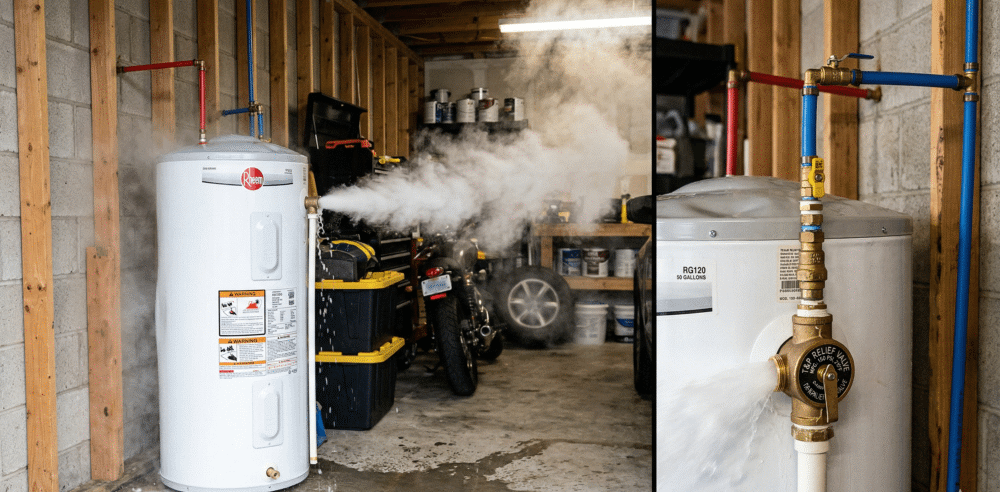
⚠️ 3. Time Is the Multiplier
Short storm:
manageable
Long storm:
system-breaking
🧠 Contractor / System Thinking Translation
This maps directly to residential failures:
Infrastructure System | Residential Equivalent |
Multiple rivers | Multiple plumbing lines |
Levee system | Pipe containment |
Breach | Pipe rupture |
Floodplain spread | Whole-home flooding |
👉 Same equation:
Sustained load + weak containment = total system failure
🎯 Final Takeaways (Mechanical Framing)
Root Cause: Prolonged atmospheric river storm system
Trigger: Soil saturation + multi-river overload
Failure Type: Levee breach → widespread flooding
Impact Multiplier: Duration + system interconnectivity
Lesson:
When every river rises at once, nowhere is safe