



🚨 Jones Tract Levee Breach — Full Breakdown Report
Stockton & San Joaquin Delta (June 2004)
Why This Matters to Homeowners in Northern California:
When a barrier fails under pressure, water doesn’t slow down—it fills everything available immediately.
📍 Geographic + Structural Context (Pre-Event Environment)
The failure occurred at Jones Tract near Stockton, within the levee-dependent islands of the San Joaquin Delta.
Primary regions and cities affected (for scale + search relevance):
Immediate Delta zone: Stockton, Tracy
Nearby Delta communities: Lodi, Discovery Bay
Regional system relevance: Sacramento, San Jose (water supply + infrastructure linkage)
Critical preconditions:
Levee system: Earthen levees surrounding “islands” of reclaimed farmland
Elevation: Interior land below sea level due to historic subsidence
Soil type: Peat and organic soils prone to:
oxidation
shrinkage
structural weakness
Water pressure condition: Constant hydraulic pressure from surrounding channels
Infrastructure age: Many levees built decades earlier with incremental reinforcement
The top 10 plumbing and water-related disasters in Northern California history:
1. The Great Flood of 1862 (Sacramento & Central Valley)
This is the “megaflood” by which all others are measured. After 45 days of continuous rain, the Central Valley became an inland sea 300 miles long and 20 miles wide. Downtown Sacramento was under 10 feet of water, forcing the state legislature to move to San Francisco temporarily. This event led to the massive effort to literally raise the city of Sacramento by one story to prevent future catastrophe.
2. The New Year’s Day Flood of 1997
One of the largest modern floods on record, this “warm” storm dropped 30 inches of rain onto deep mountain snowpacks in just three days. The resulting runoff caused levee breaches along the Sacramento and Feather Rivers, leading to the evacuation of 120,000 people and causing roughly $2 billion in damages across Northern California.
3. The Oroville Dam Spillway Crisis (2017)
In early 2017, the main concrete spillway of the Oroville Dam—the tallest dam in the U.S.—cratered during heavy releases. When the emergency spillway was used for the first time in history, it began to erode, threatening a catastrophic wall of water. Over 180,000 residents downstream were evacuated in a single afternoon. The crisis resulted in a $1.1 billion repair project and permanent changes to dam safety laws.
4. The 1990 “Great Freeze” (Statewide/Central Valley)
While not a flood, this was one of the worst plumbing disasters in history. For nearly a week, temperatures in the Central Valley stayed below 25°F. The freeze caused tens of thousands of residential and agricultural pipes to burst simultaneously, causing over $3.4 billion in economic losses and triggering a massive surge in the plumbing and repiping industry.
5. The Delta Island Levee Breaches (1972 & 2004)
The Sacramento-San Joaquin River Delta is a fragile network of “islands” protected by aging levees. In 1972 (Isleton) and 2004 (Jones Tract), major levees failed, flooding thousands of acres of farmland and threatening the freshwater supply for much of the state. These events are constant reminders of the risk posed by the Delta’s sinking “subsided” land.
6. The “Christmas Flood” of 1955
A massive atmospheric river slammed into Northern California just before Christmas, hitting the North Coast and Central Valley. The Eel River reached record flows, and the Feather River burst its banks, killing 74 people and causing statewide disaster declarations. It remains one of the deadliest water events in regional history.
7. The Great San Francisco Earthquake & Fire (1906)
This was as much a water disaster as a seismic one. The earthquake shattered the city’s underground water mains, leaving firefighters with dry hydrants as the city burned. The failure of the city’s plumbing infrastructure was the reason the fire became more destructive than the earthquake itself, leading to the creation of the San Francisco Auxiliary Water Supply System (the high-pressure hydrants you see today).
8. The 1986 Valentine’s Day Flood
A series of “Pineapple Express” storms dumped massive amounts of rain on the Sierra Nevada. This event pushed the Sacramento levee system to its design limit and resulted in a major levee breach at Linda and Olivehurst, which submerged thousands of homes and changed how Northern California manages its bypass and weir systems.
9. The Napa River Flood of 1986
During the same 1986 storm cycle, the Napa River reached a record crest, flooding downtown Napa and the surrounding wine country. The disaster caused $100 million in damage and led to the “Living River” project—a unique, multi-decade flood control plan that uses natural wetlands instead of traditional concrete walls.
10. The 1964 Tsunami (Crescent City)
Triggered by the massive 9.2 earthquake in Alaska, a series of tidal surges hit the coast of Northern California. Crescent City was decimated by four waves, the largest of which was 20 feet high. It destroyed the downtown area, broke water and sewer lines throughout the city, and remains the most significant tsunami event in California history.
🌊 Environmental + System Conditions
This was a pressure-driven containment failure, not a storm-triggered flood.
No major storm event required
Constant water pressure acting on levee walls
Long-term degradation created vulnerability
👉 Key dynamic:
Water didn’t need a storm—just a weak point
⚙️ Failure Mechanics (What Actually Broke)
Step-by-Step Breakdown
1. Levee Degradation (Long-Term Setup)
Erosion, seepage, and aging reduced structural integrity
Internal weaknesses developed over time
2. Seepage + Internal Erosion (Piping Initiation)
Water began moving through levee body
Soil particles carried away → internal voids formed
3. Structural Weak Point Formation
Progressive internal erosion created a failure zone
Levee lost cohesive strength
4. Sudden Breach Event (Trigger)
Section of levee collapsed
Water from surrounding channel rushed inward
5. High-Velocity Inflow (Reverse Flooding)
Water poured into the tract
Flow accelerated due to elevation difference
6. Basin Flooding Effect
Jones Tract acted like a sunken bowl
Water continued filling until levels equalized
💥 The Event (June 2004)
Timeline: Rapid breach → hours to full inundation
Initial warning signs:
Minimal or unnoticed seepage
Collapse Dynamics
Instant breach
Rapid inflow
Entire tract submerged in a short timeframe
🏚️ Immediate Damage Profile
Entire Jones Tract flooded
Thousands of acres underwater
Damage characteristics:
Agricultural loss
Infrastructure damage
Transportation disruption
System impacts:
Nearby highways affected (including I-5 corridor)
Threat to regional water supply systems
🧠 System-Level Failure Analysis
1. Reverse Flooding Mechanism
Most floods:
water flows outward
Here:
water rushed inward
👉 System inversion created rapid inundation
2. Below-Sea-Level Risk
Land elevation created:
continuous vulnerability
👉 Once breached:
flooding is inevitable
3. Levee Dependency System
Entire region depends on:
barrier integrity
Failure of one segment:
exposes entire system
🔁 Direct Aftermath (Short-Term)
Emergency response and area isolation
Pumping operations initiated
Critical actions:
Closing breach
Long-term pumping to remove water
Infrastructure stabilization
🧱 Indirect Effects (Long-Term Changes)
🏗️ 1. Levee Reinforcement Programs
Increased investment in:
Delta levee upgrades
structural integrity improvements
🌊 2. Water System Risk Awareness
Recognition of Delta as:
critical infrastructure zone
📡 3. Monitoring + Inspection Improvements
Enhanced levee inspection protocols
🏘️ 4. Policy + Planning Adjustments
Greater scrutiny of:
levee reliability
long-term sustainability of Delta system
🧩 Hidden Insights (What Most People Miss)
⚠️ 1. “The Water Was Always Higher”
The risk wasn’t created.
It was always there
Levees just:
held it back
⚠️ 2. Flooding Was Inevitable After Breach
Once levee failed:
nothing stopped water

⚠️ 3. This Was a Pressure System Failure
No storm needed.
Just pressure + weakness
🧠 Contractor / System Thinking Translation
This maps directly to residential failures:
Infrastructure System | Residential Equivalent |
Levee wall | Pipe wall |
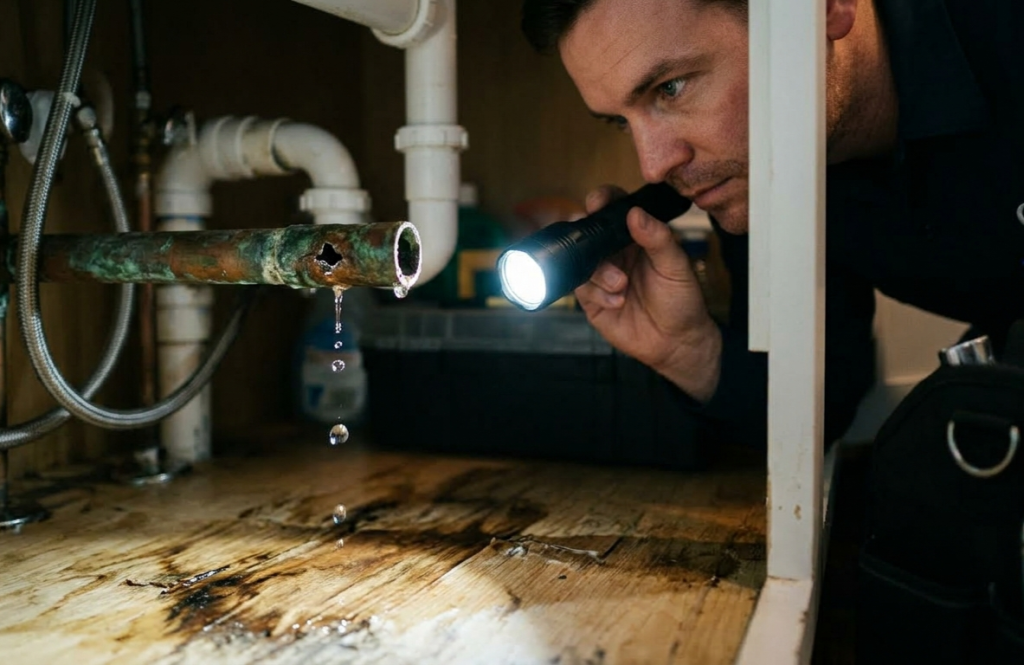
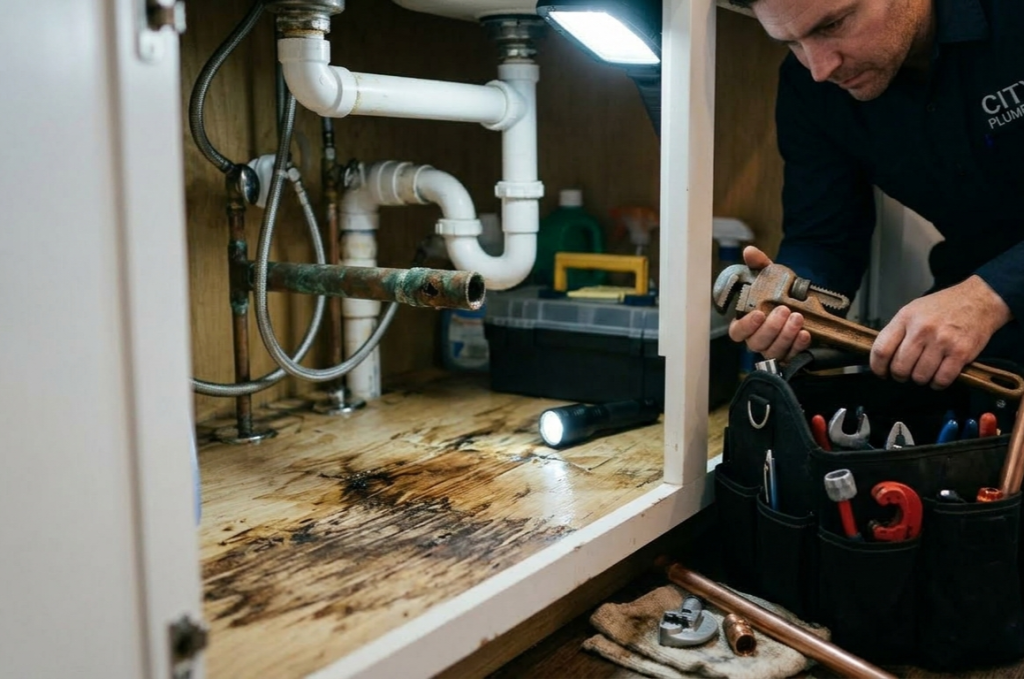
Seepage | Hidden leak |
Breach | Pipe rupture |
Basin flooding | Crawlspace/foundation flooding |
👉 Same equation:
Containment failure + pressure + elevation difference = rapid flooding
🎯 Final Takeaways (Mechanical Framing)
Root Cause: Levee degradation and internal erosion
Trigger: Structural failure under constant hydraulic pressure
Failure Type: Breach → rapid inward flooding
Impact Multiplier: Below-sea-level terrain + continuous water pressure
Lesson:
When the barrier fails, water doesn’t stop until everything is underwater