

Enterprise Pressure Alert: The 5-Year PRV Failure Risk
Most homeowners do not think about water pressure until something fails.
A pipe bursts unexpectedly.
A slab leak appears beneath the flooring.
A water heater begins leaking years earlier than expected.
Fixtures start behaving inconsistently throughout the house.
Meanwhile, the underlying pressure problem may have been developing quietly for years.
Across Enterprise, Las Vegas, Henderson, and surrounding Southern Nevada suburbs, one of the most overlooked contributors to plumbing deterioration involves pressure instability tied to aging PRVs.
Pressure Reducing Valves.
In many neighborhoods, these systems quietly drift out of calibration long before homeowners realize pressure conditions have changed.
How This Helps Homeowners
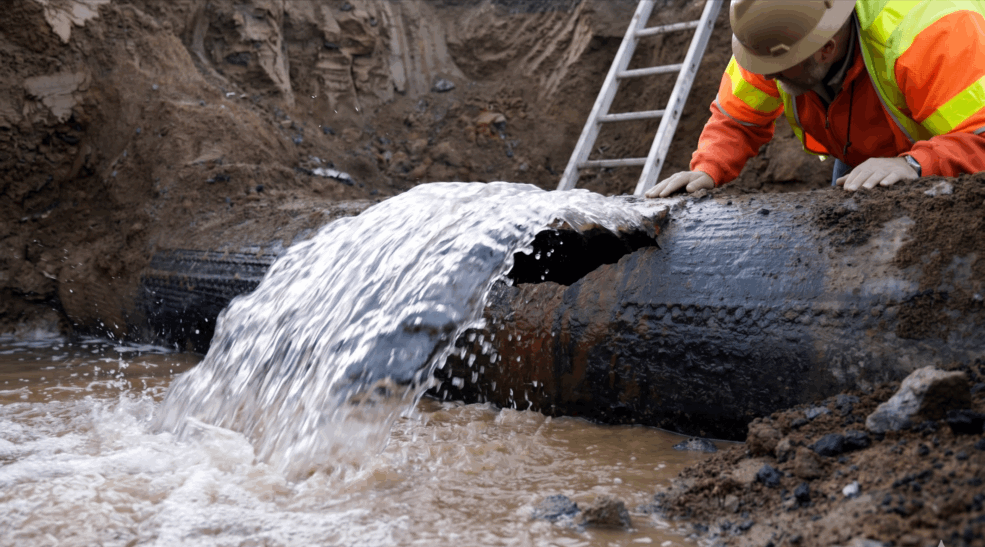
Many plumbing failures in Southern Nevada are not isolated events.
Environmental pressure, hard water exposure, thermal cycling, and slab movement often interact together across the same property.
This page helps homeowners better understand:
- why slab leaks become common in certain Vegas suburbs
- how aging PRVs affect long-term plumbing stability
- why pressure problems often remain invisible initially
- how Southern Nevada conditions accelerate infrastructure stress
- when repetitive plumbing repairs may signal broader system instability
Most homeowners are not dealing with “bad luck.”
Regional infrastructure conditions play a major role.
Understanding those conditions earlier can reduce long-term damage exposure and repetitive repair cycles.
Why Southern Nevada Plumbing Systems Behave Differently
Las Vegas Valley plumbing systems operate inside a unique environmental environment.
Extreme heat exposure.
Hard water mineral accumulation.
Rapid suburban expansion.
Slab-on-grade construction.
Thermal soil movement.
High municipal pressure zones.
Those conditions create long-term stress patterns many homeowners never fully see developing.
Pressure becomes especially important because Southern Nevada homes frequently operate under elevated incoming municipal pressure.
That is where PRVs become critical.
What A PRV Actually Does
A Pressure Reducing Valve regulates incoming water pressure entering the home.
Without proper regulation, excessive pressure can slowly damage:
- supply lines
- fixtures
- fittings
- shutoff valves
- water heaters
- recirculation systems
- slab plumbing systems
Most homeowners never monitor their pressure directly.
The PRV quietly manages the system behind the scenes.
The problem is that PRVs do not last forever.
In many Southern Nevada homes, performance degradation begins appearing around the 5-year window.
Sometimes earlier under aggressive conditions.
The Enterprise Pressure Pattern
Enterprise has experienced massive residential expansion over the past two decades.
Large volumes of slab-on-grade housing were constructed rapidly across:
- Mountain’s Edge
- Southern Highlands
- Inspirada-adjacent zones
- Blue Diamond corridor growth areas
- southwest valley developments
Many of these homes share similar infrastructure characteristics:
- copper supply systems
- slab foundations
- hard water exposure
- elevated pressure environments
- rapid-build construction timelines
- high thermal expansion exposure
Over time, PRV deterioration may begin creating hidden instability across the plumbing system.
Pressure creep becomes increasingly common.
Many homeowners first notice:
- loud fixtures
- banging pipes
- fluctuating shower pressure
- leaking shutoff valves
- repeated angle stop failures
- premature water heater wear
- unexplained slab leaks
The visible failure often appears far away from the actual pressure source.

Why Slab Leaks Become Common In Southern Nevada
Southern Nevada slab leaks rarely result from a single condition alone.
Most develop through combined environmental stress over time.
Contributing conditions often include:
- elevated pressure
- thermal pipe expansion
- hard water mineral buildup
- slab movement
- soil expansion and contraction
- recirculation stress
- aging copper fatigue
Enterprise, Henderson, and portions of Las Vegas all contain neighborhoods where these conditions overlap heavily.
That overlap matters.
Pressure instability accelerates weak-point exposure.
Mineral buildup alters flow behavior internally.
Thermal cycling slowly stresses pipe walls beneath the slab.
Movement beneath the structure gradually affects underground stability.
Over time, tiny weaknesses accumulate.
Eventually, visible failure appears.
Henderson Infrastructure Patterns
Many Henderson neighborhoods experience similar plumbing behavior for slightly different reasons.
Large portions of Henderson contain:
- aging copper infrastructure
- hillside elevation variation
- thermal soil movement
- hard water exposure
- older PRVs nearing failure age
- expanding luxury plumbing demand
Pressure behavior becomes especially important in elevation-variable environments.
Minor regulation failures can create major differences across the plumbing network.
Homeowners may first experience:
- pressure inconsistency upstairs
- recurring fixture leaks
- pinhole copper failures
- slab moisture
- recirculation imbalance
- premature appliance deterioration
Meanwhile, the PRV may already be operating outside stable range.
Las Vegas Valley-Wide Commonalities
Despite neighborhood differences, many Southern Nevada communities now share similar infrastructure conditions.
Common patterns across Enterprise, Henderson, Summerlin, and broader Las Vegas areas include:
- hard water deterioration
- aging PRVs
- slab-on-grade construction
- high summer thermal expansion
- rapid-build suburban housing
- recurring copper fatigue
- pressure-related plumbing stress
Many homes built during the major growth years of the late 1990s through mid-2000s are now entering the timeline where these infrastructure behaviors become increasingly visible.
That timing overlap is important.
Entire neighborhoods may begin experiencing similar plumbing symptoms around the same infrastructure age window.
Why Pressure Problems Often Stay Hidden
Pressure-related deterioration develops quietly.
Most homeowners never test pressure proactively.
The system continues operating normally while:
- fittings weaken gradually
- mineral restriction increases
- pipe fatigue accumulates
- shutoff valves deteriorate
- underground stress builds beneath the slab
Then the visible failure appears suddenly.
A leak under flooring.
A ruptured angle stop.
A failed water heater.
A ceiling stain.
A slab leak requiring excavation.
At that point, homeowners often focus only on the visible damage event instead of the long-term pressure behavior already affecting the entire system.
The 5-Year PRV Window
Not every PRV fails exactly at five years.
However, many Southern Nevada plumbing professionals repeatedly encounter instability beginning around that timeline due to:
- aggressive hard water exposure
- high municipal pressure
- constant thermal cycling
- desert expansion conditions
- sediment accumulation
- elevated system demand
In many homes, gradual pressure drift begins long before catastrophic failure occurs.
That is why proactive pressure evaluation matters.
Especially in neighborhoods already experiencing rising slab leak frequency.
What Homeowners Should Watch For
Certain conditions may indicate pressure instability already developing inside the system.
Common warning signs include:
- fluctuating water pressure
- loud pipe vibration
- repeated fixture leaks
- frequent shutoff failures
- slab leak history
- premature appliance wear
- water heater expansion issues
- recurring copper pinhole leaks
- unexplained moisture beneath flooring
Those conditions do not always mean catastrophic failure is imminent.
However, they often indicate broader system stress worth evaluating earlier rather than later.
Why Regional Specialists Matter
Southern Nevada plumbing systems operate inside a very specific environmental environment.
Contractors familiar with Las Vegas Valley infrastructure often understand:
- slab movement behavior
- PRV deterioration timelines
- hard water system stress
- copper fatigue patterns
- thermal expansion exposure
- rapid-build suburban infrastructure conditions
That regional familiarity changes how long-term plumbing behavior gets interpreted.
A slab leak in Enterprise may involve very different escalation patterns than a freeze-related leak in the Midwest or corrosion-heavy deterioration along the Gulf Coast.
Regional infrastructure matters.
Most Pressure Failures Build Quietly
Pressure problems rarely begin with catastrophic damage.
Most start invisibly.
Small instability accumulates slowly across the plumbing network over time.
Environmental exposure compounds year after year.
Weak points gradually emerge beneath the slab and behind the walls.
By the time visible failure appears, the system may already have experienced years of elevated stress conditions quietly developing in the background.
That is why pressure evaluation matters so heavily across Enterprise, Henderson, Las Vegas, and the surrounding Southern Nevada suburbs.