Contra Costa County
Verified Contractor Standards
for Plumbing Services
Property values across the San Francisco Bay Area have climbed dramatically during the past decade. Construction systems have become more complex. Digital contractor visibility has expanded across every local search platform. Meanwhile, the number of contractors advertising plumbing services has increased rapidly.
However, enforcement of consistent plumbing standards has not grown at the same pace. That imbalance created a high-noise environment where homeowners must evaluate critical infrastructure decisions with limited clarity.
Contra Costa County: Verified Contractor Standards for Plumbing Services was developed to restore balance within that environment. The framework helps homeowners evaluate plumbing contractors through infrastructure-focused criteria rather than promotional claims.
This evaluation model originates from Plumbing Whole Home Repipe, a standards-driven resource dedicated to helping homeowners understand plumbing system risk across the San Francisco Bay Area and other high-value Western housing markets.
Top 10 Plumbing & Water Disasters in Contra Costa County
1. The Walnut Creek Flood (1955 Christmas Flood)
A powerful atmospheric river overwhelmed Walnut Creek, flooding large portions of Walnut Creek and surrounding communities.
System Failure Breakdown:
Channel Capacity Overload:Creek systems exceeded design limits
Urban Drainage Failure:Stormwater systems unable to keep up
Floodplain Encroachment:Development increased exposure
Why This Matters:
Flow exceeding system limits leads to uncontrolled spread—same as pipe overload in homes.
2. The 1998 El Niño Flooding (Countywide Impact)
Heavy storms caused widespread flooding across Concord, Martinez, and surrounding areas.
System Failure Breakdown:
Storm Convergence:Rainfall + runoff overwhelmed systems
Backflow Conditions:Drainage reversed under pressure
Soil Saturation:Ground reached full capacity
Why This Matters:
Backflow and saturation create compounded failures—mirroring sewer backups in homes.
3. The Lafayette Hillside Failures (Recurring — Worst Impacts: 1998, 2017, 2023)
Hillside communities in Lafayette experience recurring drainage and soil instability issues.
System Failure Breakdown:
Gravity-Driven Runoff:Water accelerates downhill
Soil Saturation + Movement:Causes pipe and foundation stress
Drainage Design Gaps:Systems not built for peak flow
Why This Matters:
Drainage failure + soil = structural instability—same as hidden plumbing leaks undermining homes.
4. The Orinda Creek Flooding (Recurring — Worst Impacts: 1982, 1998, 2023)
Flooding along San Pablo Creek and local tributaries impacts Orinda.
System Failure Breakdown:
Undersized Channels:Creek systems exceed capacity
Urban Runoff Amplification:Development increases flow
Drainage Bottlenecks:Choke points trigger overflow
Why This Matters:
Bottlenecks define failure points—same as undersized plumbing lines.
5. The Richmond Industrial Flooding Events (Recurring — Worst Impacts: 1995, 2010, 2023)
Low-lying industrial areas in Richmond experience repeated flooding.
System Failure Breakdown:
Low Elevation Exposure:Water collects in industrial zones
Stormwater Overload:Drainage systems exceeded
Contaminant Spread Risk:Flooding impacts industrial materials
Why This Matters:
Low-point flooding mirrors slab-level home flooding—water always finds the lowest point.
6. The Contra Costa Canal System Stress (Ongoing — Worst Impacts: 1977, 2015, 2021)
The Contra Costa Canal plays a key role in regional water delivery.
System Failure Breakdown:
Critical Distribution Node:High reliance on a single system
Pressure Management Challenges:Flow variability stresses infrastructure
Aging Components:Long-term wear creates vulnerability
Why This Matters:
Main distribution lines are single points of failure—same as a home’s main water line.
7. The Mount Diablo Runoff Flooding (Recurring — Worst Impacts: 1982, 1998, 2017)
Runoff from Mount Diablo floods surrounding communities.
System Failure Breakdown:
Rapid Elevation Runoff:Water gains speed downhill
Soil Saturation:Ground loses structural stability
Drainage Overload:Systems overwhelmed during storms
Why This Matters:
Elevation changes increase pressure and velocity—same effect seen in multi-level home plumbing.
8. The Martinez Refinery Drainage Failures (Recurring — Worst Impacts: 1999, 2012, 2023)
Industrial drainage systems in Martinez face recurring flooding issues.
System Failure Breakdown:
Industrial Drainage Overload:Systems exceed capacity
Infrastructure Aging:Older systems struggle under demand
Surface Runoff Accumulation:Limited drainage paths
Why This Matters:
Overloaded drainage leads to system backup—same as clogged or undersized residential drains.
9. The Groundwater Subsidence Risk (Countywide — Worst Impacts: 1960s–1980s, resurging 2010s)
Groundwater extraction across Contra Costa County has caused localized subsidence.
System Failure Breakdown:
Soil Compaction:Ground sinks as water is removed
Pipe Misalignment:Underground systems shift and crack
Long-Term Structural Stress:Slow degradation over time
Why This Matters:
“Slow-motion” failures are hardest to detect—same as hidden leaks in homes.
10. The Aging Water Main Failures (Countywide — Worst Impacts: 2015, 2019, 2023)
Recurring water main breaks across cities like Antioch and Pittsburg highlight infrastructure challenges.
System Failure Breakdown:
Material Degradation:Aging pipes weaken
Pressure Cycling:Daily use stresses systems
Ground Movement:Soil shifts strain buried lines
Why This Matters:
Aging systems fail without warning—same risk inside older homes.
Act Now
These failures happen at county scale.
Inside homes across Contra Costa County, they follow the same patterns—just smaller, slower, and harder to detect.
Pressure overload
Backflow and blockage
Corrosion and material failure
Drainage design issues
Soil movement and instability
If your home was built decades ago, these risks already exist—just not visible yet.
Why Plumbing Infrastructure Risk Is Rising Across the Bay Area
Home equity across Silicon Valley, the Tri-Valley, and surrounding Bay Area regions has accelerated rapidly. Cities such as Walnut Creek, Concord, Pleasanton, Livermore, and Antioch continue to experience strong property appreciation.
Higher equity changes the consequences of plumbing failure.
A small leak in a lower-value market may produce moderate repairs. In contrast, a hidden plumbing failure inside a Bay Area home can trigger structural restoration, insurance complications, and appraisal disruption.
Contra Costa County: Verified Contractor Standards for Plumbing Services focuses on identifying infrastructure risks that commonly affect aging homes throughout the region. Many properties across Contra Costa County, Santa Clara County, Alameda County, San Mateo County, Marin County, Solano County, and Sacramento County were built when galvanized steel piping was standard.
- Walnut Creek Flood (1955): System Overload Event
- El Niño Flooding (1998): Countywide Drainage Failure
- Lafayette Hillside Failures (Recurring): Soil Instability
- Orinda Creek Flooding (Recurring): Drainage Bottlenecks
- Richmond Flooding (Recurring): Low Elevation System Risk
- Contra Costa Canal Stress: Distribution System Vulnerability
- Mount Diablo Runoff (Recurring): Gravity Overload Event
- Martinez Drainage Failures (Recurring): Industrial System Overload
- Groundwater Subsidence (Recurring): Soil System Collapse
- Water Main Failures (Recurring): Aging System Breakdown
Those systems now exceed their intended lifespan. Galvanized pipes corrode slowly from the inside. Mineral buildup accumulates along interior surfaces. Water pressure declines as corrosion narrows pipe diameter. Eventually structural failure develops silently inside walls or beneath slab foundations.
Regional Plumbing Stressors Across the 9 Counties
East Bay Communities
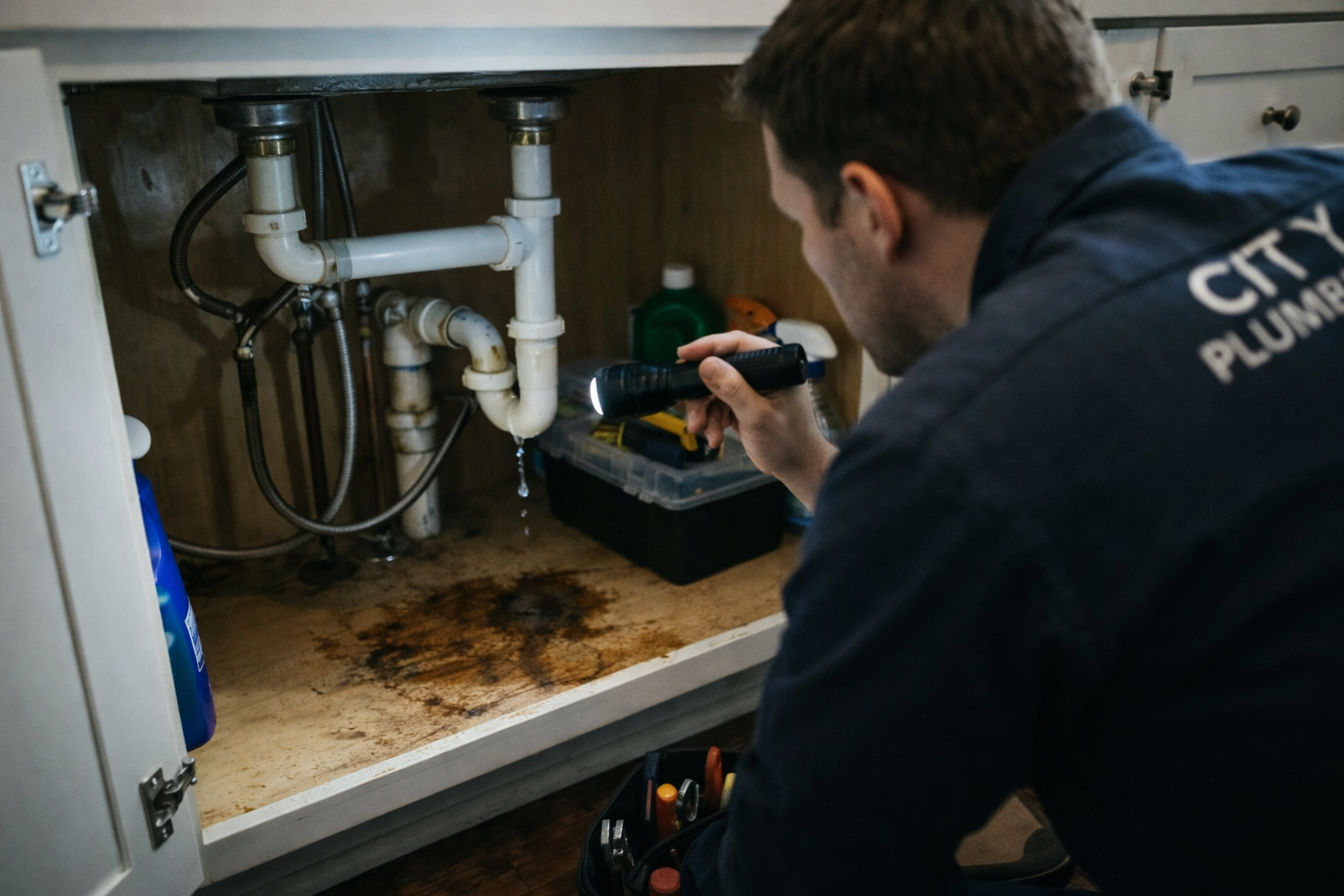
Walnut Creek, Concord, and Antioch encounter elevated mineral content in groundwater. Mineral deposits accumulate inside plumbing systems over decades.Peninsula Exposure
Coastal homes experience constant marine exposure. Salt air accelerates corrosion in metal plumbing components, especially around water heaters and pipe fittings.Inland Temperature Variation
Seasonal variation across inland areas contributes to expansion stress within aging piping systems, leading to fatigue and eventual structural failure.Mid-Century Infrastructure
South Bay regions like San Jose, Sunnyvale, and Cupertino contain thousands of mid-century homes constructed during rapid expansion that still rely on original galvanized pipes.Hidden Failure Patterns in Heaters & Softeners
Sediment Accumulation
Sediment buildup is common across Tri-Valley homes in Pleasanton, Livermore, and nearby communities. Mineral particles settle inside water heater tanks during normal operation.
Over time, those particles form a dense layer along the bottom of the tank. This sediment layer traps heat and increases pressure instability. Thermal stress transfers into the plumbing distribution lines connected to the heater.
Water Softener Malfunctions
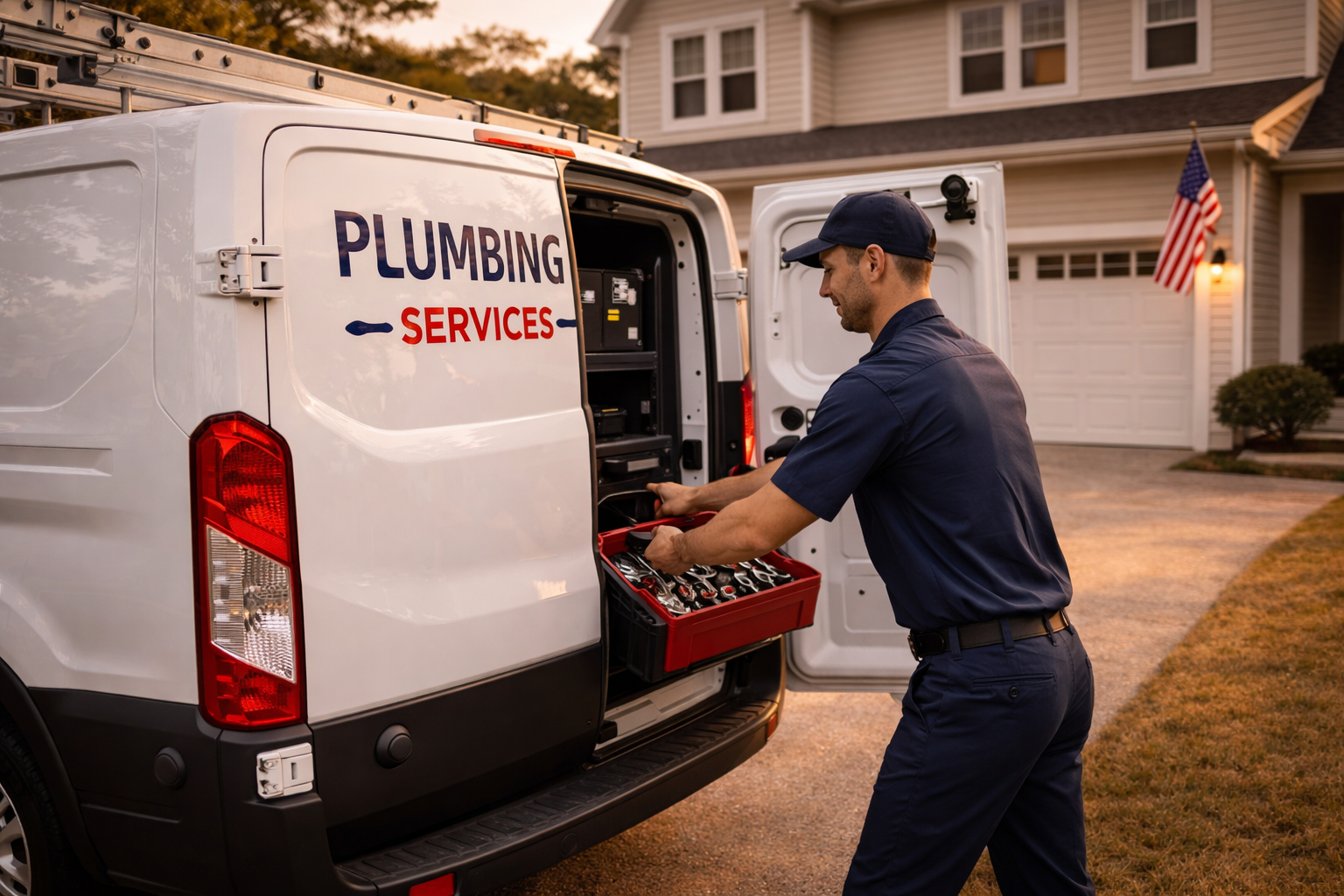
Aging softeners sometimes develop brine tank leaks or malfunctioning valves. Those issues can create irregular pressure cycles within the home's plumbing network.
Older galvanized pipes struggle to handle these fluctuations. Internal corrosion weakens pipe walls, and pressure variations accelerate fatigue until failure occurs undetected behind drywall.
Restoring Long-Term Plumbing System Stability
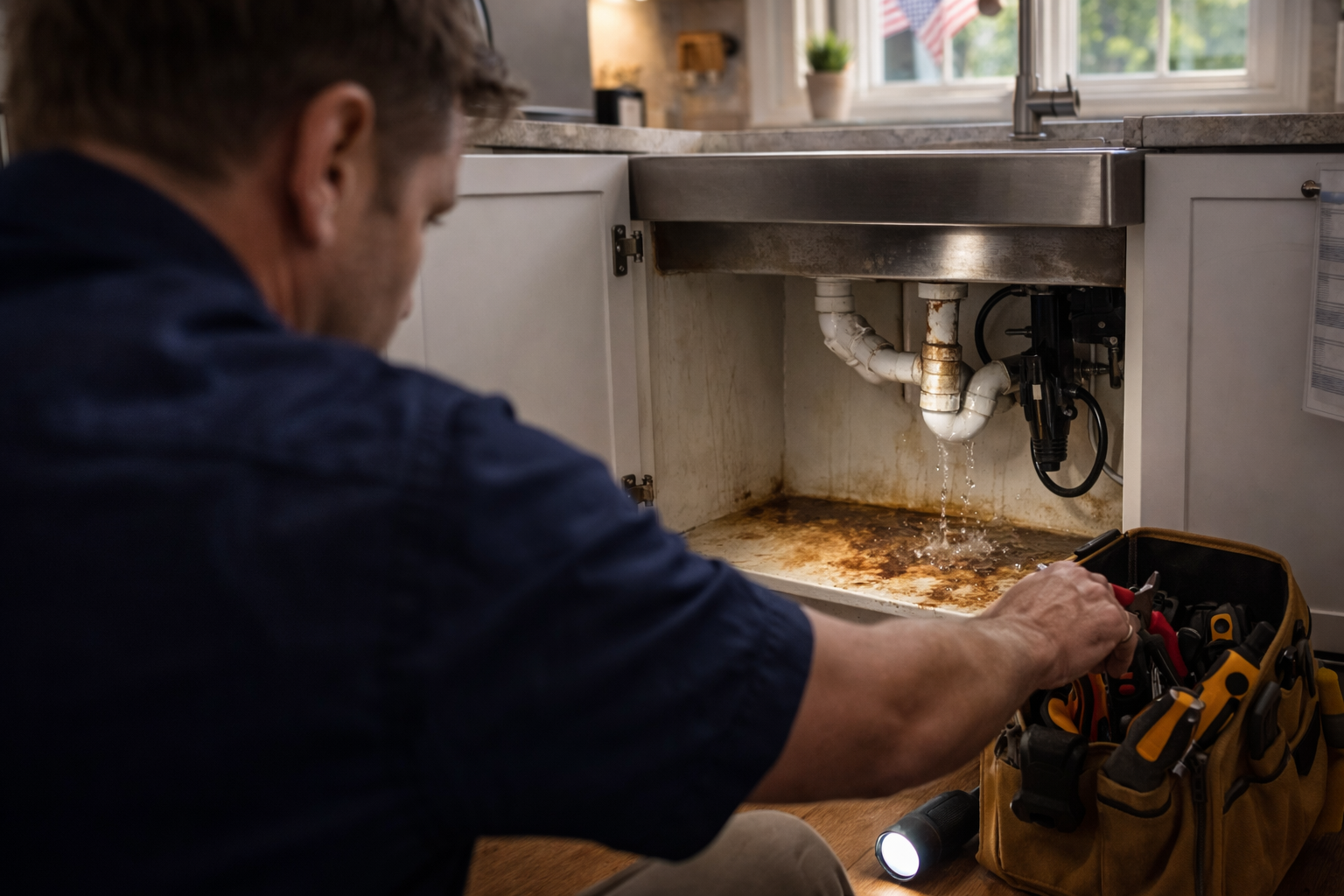
Modern PEX-A
PEX-A provides flexibility and expansion tolerance. The material can absorb pressure fluctuations without cracking, ensuring long-term system durability.Type L Copper
Type L copper systems remain a durable solution for high-value homes, offering strong corrosion resistance and consistent hydraulic performance.Controlled Rerouting
Water supply lines are rerouted through controlled pathways inside walls and ceilings. Old galvanized lines are abandoned to eliminate future risk.Navigating Permits Across Plumbing Zones
Residential repiping projects must comply with local building codes. Permitting requirements vary across the San Francisco Bay Area. Cities in Contra Costa County such as Walnut Creek, Concord, Antioch, and Pleasant Hill follow different permit procedures than nearby Alameda County jurisdictions.
Meanwhile, Santa Clara County cities including San Jose, Cupertino, and Mountain View operate under separate inspection frameworks. Marin County, San Mateo County, and Solano County maintain additional compliance requirements.
Understanding those rules protects homeowners during future resale transactions. Improperly permitted plumbing upgrades may create complications with insurance coverage, refinancing approvals, or property transfers. Verifying permit compliance is a core standard of the framework.

From Reactive Repairs to Infrastructure Security
Proactive Benefits
Upgrading systems stabilizes water pressure across the home. Daily water flow improves immediately, and metallic tastes disappear. Energy efficiency improves as water heaters perform more effectively without sediment.

Equity Protection
Insurance carriers increasingly recognize the benefits of updated plumbing. Homes with verified repiping may qualify for lower premiums. Appraisers value modern plumbing systems when evaluating resale potential.
Regional Coverage & Western Markets
The evaluation criteria developed by Plumbing Whole Home Repipe apply across multiple Western housing markets. Primary service areas include San Jose, Santa Clara, Sunnyvale, Cupertino, Palo Alto, Mountain View, Fremont, San Francisco, Oakland, Berkeley, Walnut Creek, Pleasanton, Livermore, San Mateo, Redwood City, Concord, Antioch, Stockton, Sacramento, El Dorado Hills, Granite Bay, Roseville, Napa, Lake Tahoe, Santa Rosa, Salinas, and Monterey.
Across these regions, aging plumbing infrastructure follows similar patterns. Homes built decades ago now operate under modern water demand, higher property values, and increasingly complex building systems. This framework allows homeowners to evaluate residential plumbing decisions with clarity.